

It Was Never Just Anxiety: A Story of Medical Dismissal and Learning to Trust Embodied Intuition
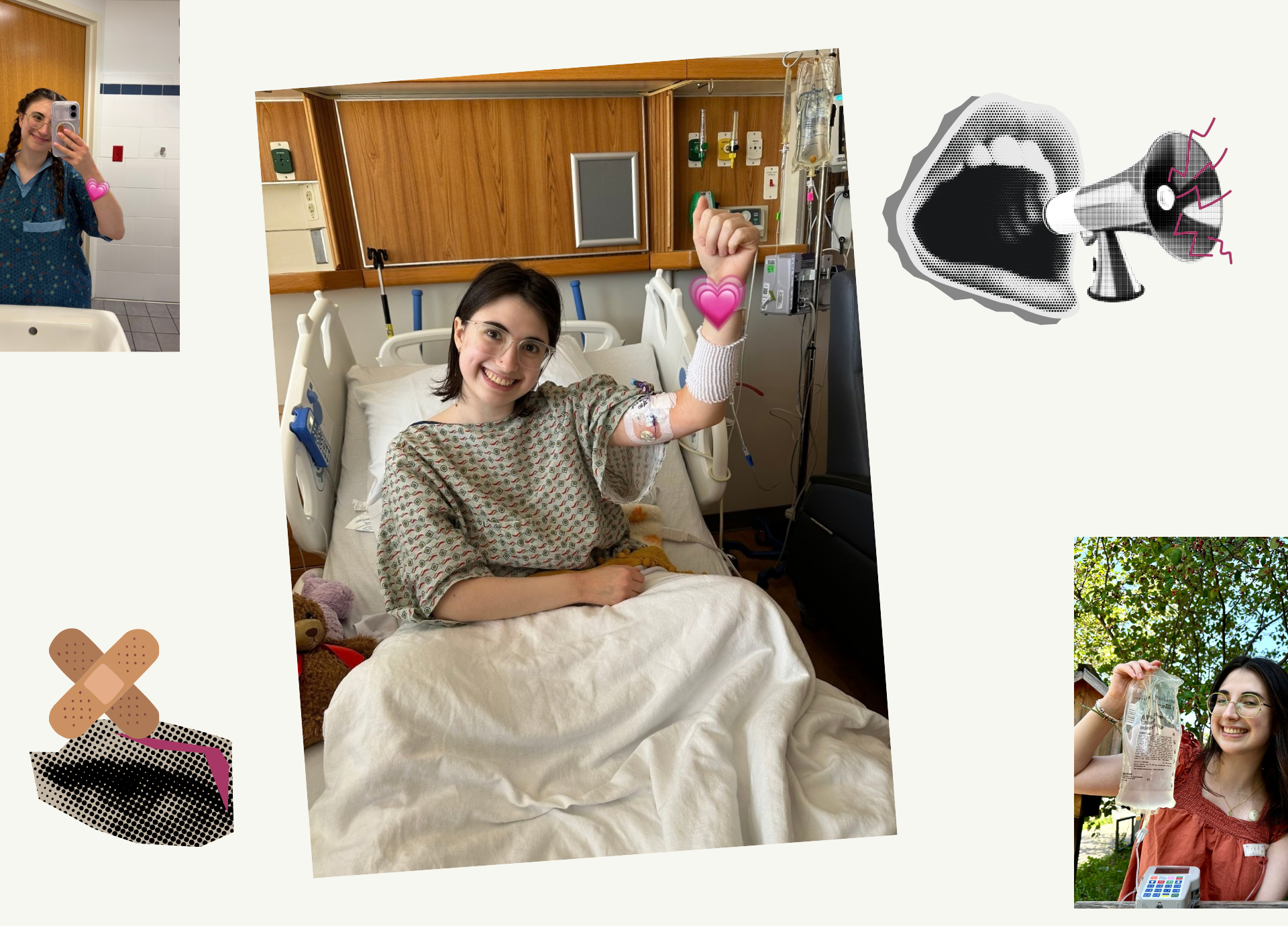
Guest writer Sierra Erdman-Luntz on trusting her intuition and advocating for her health, even when doctors told her it was “all in her head”
Written by Sierra Erdman-Luntz
Far too many people face barriers to accessing adequate healthcare: historical and structural inequalities, exclusionary medical research, medical gaslighting, and so much more. All of these forces culminate in the dismissal of people’s pain and concerns: “it’s not that bad,” “have you tried therapy?,” “it’s all in your head,” and the all-too-familiar “it’s just anxiety.”
〰〰〰
My own medical care was delayed by that one phrase, and all the medical dismissal it represents, by 7 or 20 years, depending on how you count. The following is my story of how I fought the medical system for years to receive accurate diagnoses and treatment that saved my life, all as an act of self-love and devotion to myself and guided by my strong intuition. I hope it inspires you, too, to fight for your care, your health, and, at times, your very life.
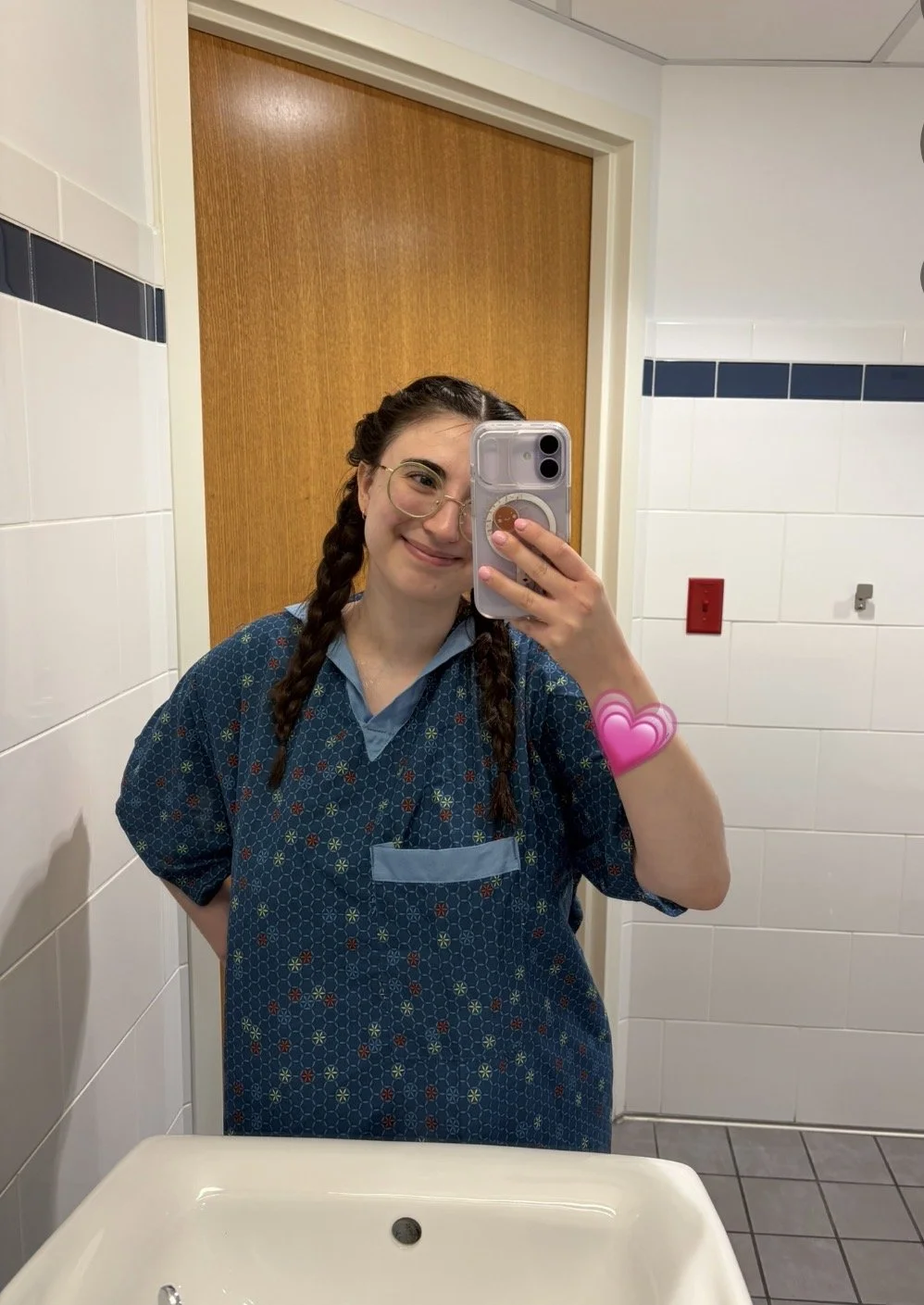
I think somewhere in the back of my mind, I’ve always known that something was a little different about my body. As a child, I sprained my ankles nearly weekly in the summer, was sick more often than my peers, and was the most flexible dancer at my studio within a year or two of joining. I felt an intuitive tug towards doctors and medical offices. I felt different.
But, it was all pretty minor and ignorable until I was 16 when I contracted mono and never recovered. When I didn’t get better like expected, my doctors initially started to ask more questions, order blood panels, and refer me to specialists. I had hope that they would figure it out and that it would be a simple fix, a supplement or something. With every normal blood test and unhelpful specialist, my hope dwindled. Quickly, my doctors started to turn to my mental health for explanations, asking about therapy, anxiety levels, and screening me for eating disorders at every appointment.
Appointment after appointment, I told doctors that I was anxious but not nearly anxious enough to explain my symptoms. I missed over a month of school cumulatively. I had chronic strep throat for over a month. I would fall asleep right after school for hours on end. My head would pound in classes, and I broke my school day into 10 minute increments, trying to survive until the next time I could lay down. I went from being able to eat anything I wanted to struggling to eat anything at all. I could not think through the deep fog that settled over my brain.
Deep in my soul, I knew that something was very wrong with my body, but with every doctors’ dismissal, I began to question the reality that I knew to be true. I wondered if perhaps I was making it up or exaggerating my symptoms. If maybe I could just ignore it and push through harder and things would end up okay. The doctors’ voices in my head talked me out of self-advocacy more times than I can count, but I always came back to the core truth that my body wasn’t okay.
By fall of 2020, I was nearly bedbound. I went from running sprints to barely being able to walk up the stairs. Suddenly, the hardest part of my day was showering. I only had 1-2 functioning hours in a day. A flight of stairs left my heart pounding out of my chest and me gasping for breath. My relationship with food warped as suddenly every bite left me with debilitating nausea and other GI symptoms. I struggled to eat and drink enough in a day to sustain myself. I got migraines that sent me into 10/10 pain and sobbing for relief.
I knew that something was very, very wrong inside of my body, and I could feel it getting worse.
I had to take a medical leave of absence from my dream college because I was too sick to attend even virtual classes. I started to do my own research. I knew in my body, heart, and soul that it was not “just anxiety” or an eating disorder. (For the record, I do have anxiety and some physical symptoms from it, but not nearly enough to explain my daily symptoms.)
Through chronic illness advocates on social media, I learned about POTS (Postural Orthostatic Tachycardia Syndrome), hEDS (Hypermobile Ehlers-Danlos Syndrome), and vascular compressions. I did hours of research on these conditions and other co-morbidities of hEDS. They aligned with my symptoms in a way nothing my doctors had suggested ever did. More than that, they resonated deep in my body. They felt right. I felt like I was seen for the first time in my life.
I was accepted into Mayo’s Complex Case Program and went through an entire week of tests and doctors appointments. I asked specifically about POTS, hEDS, and vascular compressions, explaining why I thought my symptoms aligned with those conditions and requesting specific tests to either rule them in or out. While I was diagnosed with POTS, I was told my symptoms were not “extreme enough” for either hEDS or vascular compressions and that they were too rare to even be considered.
POTS treatment stabilized me enough to regain some normalcy. I was still far from healthy, with daily pain in my joints, stomach, and head that significantly restricted my mobility and quality of life. Sometimes, I couldn’t tolerate enough fluid to keep my POTS under control and ended up in the ER for emergency fluids. But, I had some quality of life back: I returned to college and even studied abroad in France.
Everything changed for me again in November 2022.
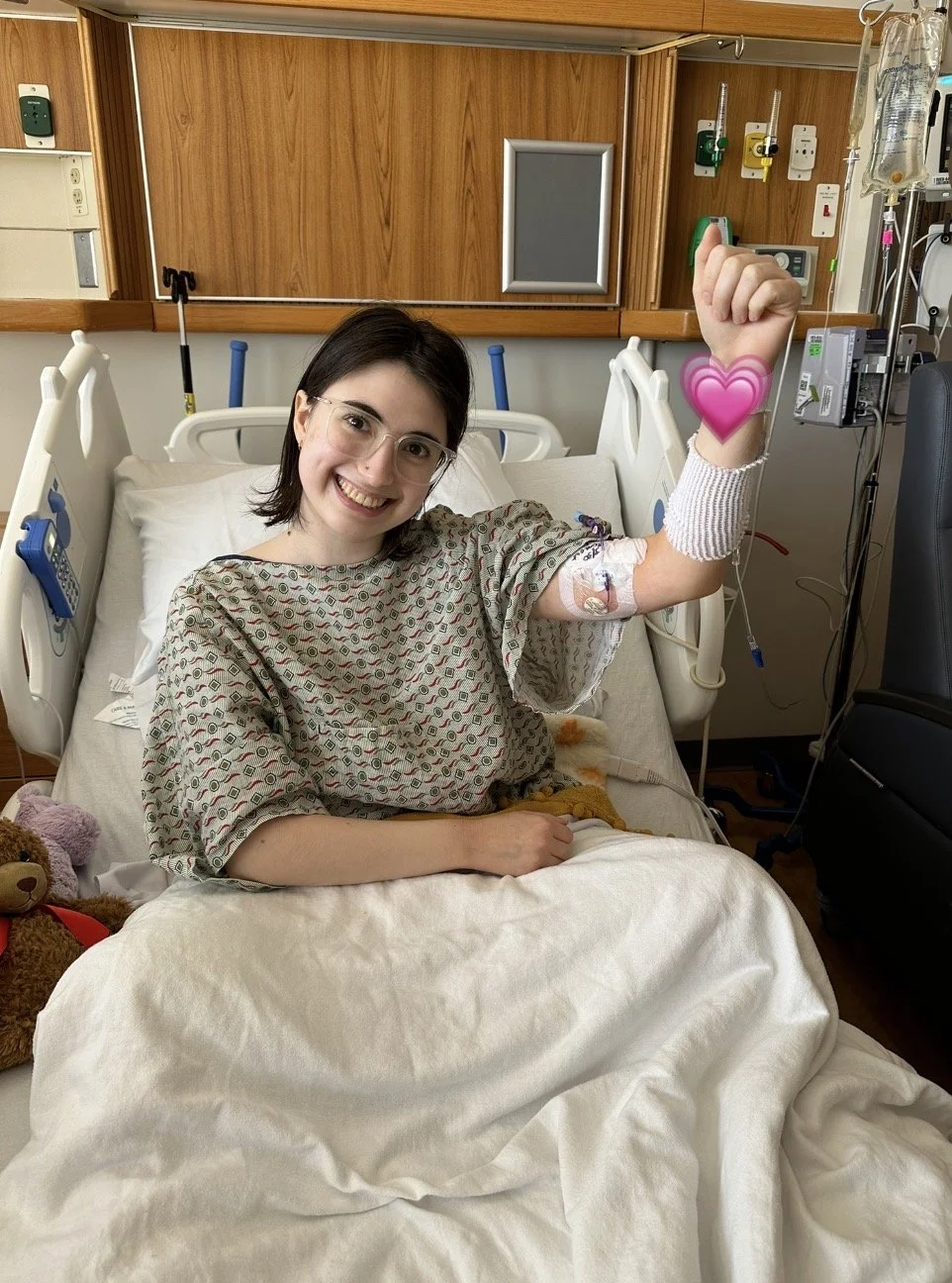
In the span of one evening, I went from never fainting from my POTS to experiencing fainting or near fainting around 200 times in one long night. I was rushed to the ER for emergency stabilization. At the same time, my GI symptoms had significantly progressed, and I could no longer drink enough water to sustain myself. That winter and spring, I was in and out of the ER so often that I knew almost all of its personnel and was known as the “POTS Girl.” I was there at least twice a month and hospitalized nearly monthly for more prolonged treatment.
I was officially deemed “medically unstable.” I was advised not to fly on an airplane, so my parents drove the seven hours one way to pick me up for winter break. I avoided going out in public aline as much as possible, fearful that I would collapse. I received extensive accommodations to finish my senior year of college, even writing pages of my senior thesis inpatient.
The inpatient GI team ran a few perfunctory tests that came back either borderline or normal and decided that there wasn’t anything physically wrong with me. Rather than consulting colleagues, running more tests, or admitting they were stumped, I was labeled “attention-seeking.” They asked about psychiatric diagnosis and therapy, they told me that I was wasting time and resources, and advised I should drop out of college because it was “clearly too hard for me.” (It was not, and I graduated with double honors.)
Randomly, blissfully, a different GI doctor on the floor heard about my case and dropped by. She came into my room, actually listened to me.
Listened to my concerns and my theories about what was happening, and told me she thought she knew what was wrong. Less than a month later, I was diagnosed with MALS, a very rare vascular compression and one of the conditions I had brought up to my Mayo Clinic team 2 years earlier and was outright dismissed. After 5+ years of struggling to eat, gaslighting, dismissal, and daily pain, all it took was one doctor to listen, believe me, and have the right knowledge to change the course of my life and quality of life.
That doctor helped me build a new medical team with specialized knowledge in my conditions, including one focused on POTS. She is the best doctor I have ever seen: she hears my concerns, believes what I report on face, and is incredibly knowledgeable. After hearing about how my quality of life had deteriorated over the last 6 months, how often I was in the ER, and how medically unstable I had become, she decided I needed long-term access to hydration that wasn’t dependent on my broken GI system. She had a port placed the following month, and I started infusions 5 times a week. (Three years later, I am now running infusions every single day, and the infusions have helped save my life).
In March 2025, I saw that same doctor and she officially diagnosed me with hEDS. I finally received all three major diagnoses I had suspected for the past five years. Without my intuition about what was happening inside my body, my own independent research, and my tenacity in fighting for answers and higher quality of care, I would still be medically unstable and bedbound.
Instead, I am living my dream life.
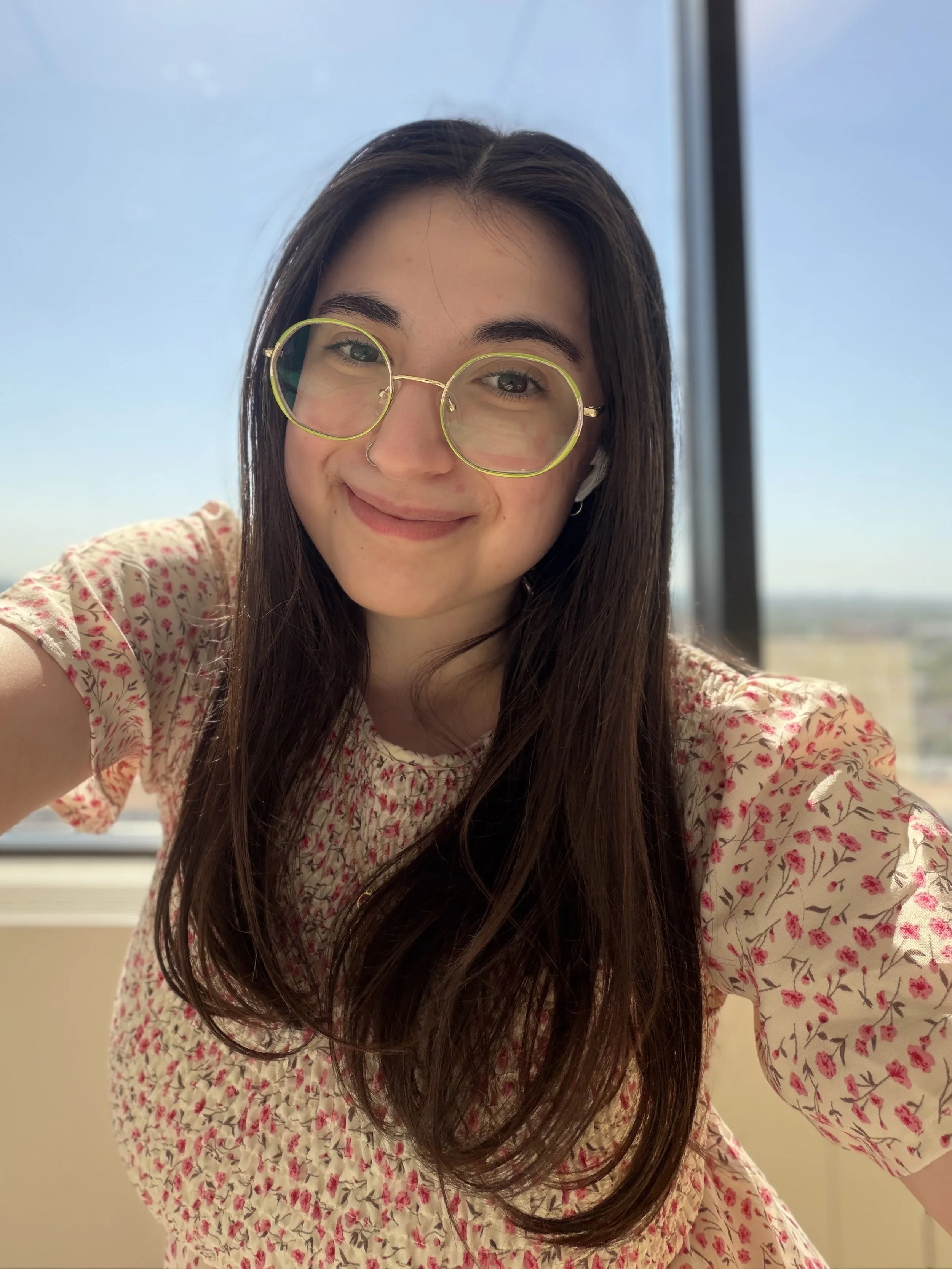
Last year, I started sharing my medical journey and life on TikTok and started my dream job as a paralegal in-office, full time. I no longer know the medical personnel at my local ER and have only been twice in the last 18 months. I graduated college with double honors, live alone, have energy for things aside from survival, and am in a long-term, happy relationship. I am still reliant on medication and life-saving care to stay alive, have to pace myself, and am in pain daily. And, I have a quality of life I never dreamed was possible again.
Next time you hear “it’s just anxiety” or any other medical brush-off, please remember the power of your intuition and your own embodied knowledge. Push back, ask them to chart their refusal to order more testing, find a second or third opinion, keep pushing for yourself and your health. Because you deserve it, and we deserve more.
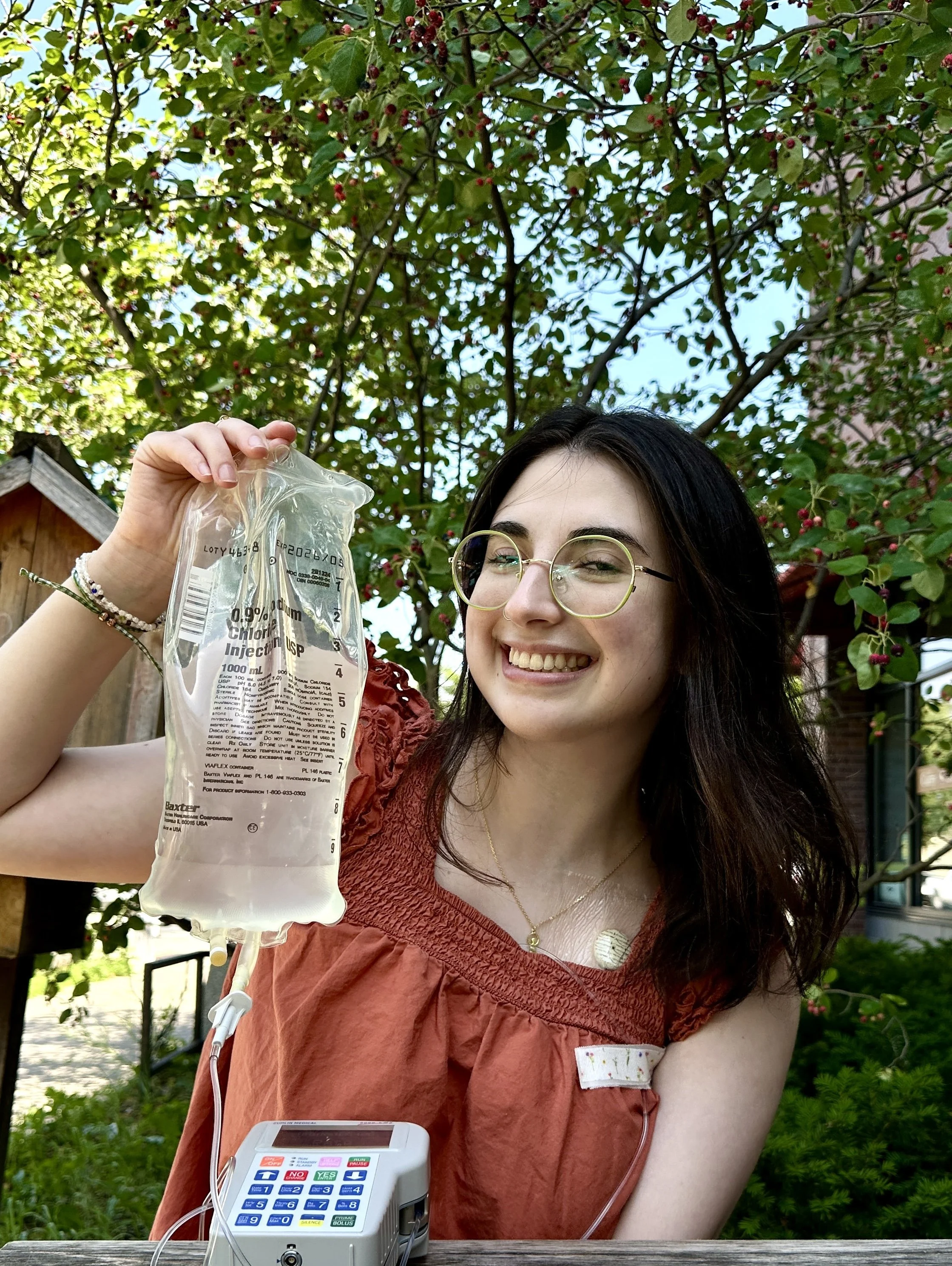
You can find more of Sierra’s work on Tiktok @chronically.sierra and Instragram @sierra.erdman.luntz.
〰
If any of this resonates with your own experience, you can learn more about EDS at the Ehlers-Danlos Society, about POTS & dysautonomia here, and about MALS here.