

Why "Pro-Choice" Isn't Enough: Understanding Reproductive Justice
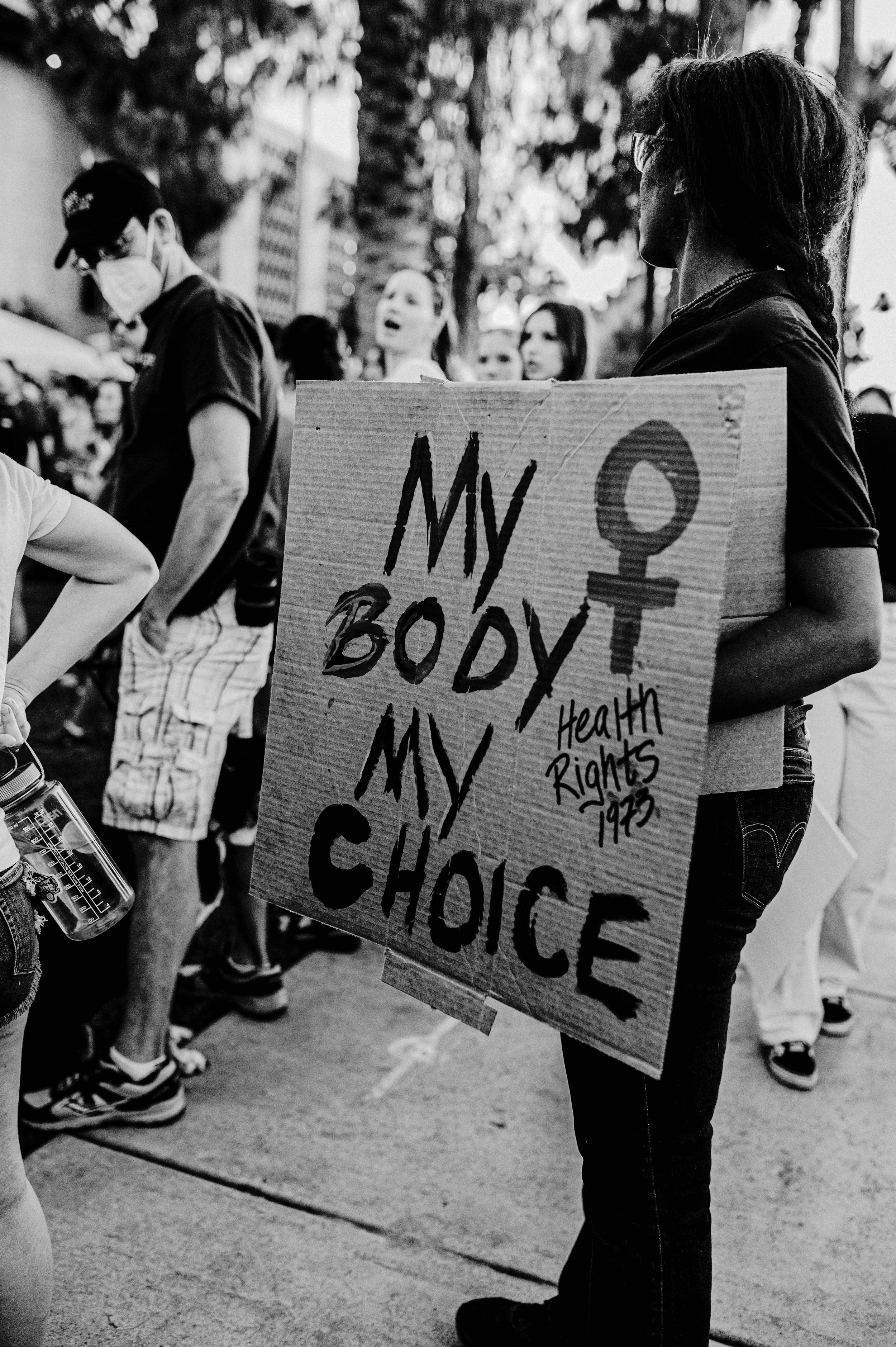
The idea of choice is a cornerstone of the modern reproductive rights movement. But who actually has the resources and safety to choose freely? Here’s why choice isn’t enough — and why we need reproductive justice instead.
When you think about the fight for reproductive rights, chants of “my body, my choice” probably come to mind. Or perhaps language of a woman’s “right to choose.”
Right now, the mainstream conversation around reproductive rights centers on choice. Specifically, a woman’s right to choose whether or not to get an abortion and a woman’s right to choose to take hormonal contraception.
But what if this is missing the larger picture?
The problem with choice
Of course, people should be free to do what they wish with their bodies. But this focus on individual choice as the utmost ideal can obscure the bigger picture and ignore the larger context in which people make those choices.
This idea of reproductive choice is part of a larger philosophy known as choice feminism, which focuses on individual choices and liberties as the ultimate goal, often while ignoring collective and systemic factors.
It also ignores how some women’s actions may lead to the exploitation of other women — for example, women in western countries shopping fast fashion brands that exploit the women working as seamstresses in dangerous factories that make those clothes. Or female CEOs or girlboss founders whose wealth is built upon exploitation and environmental degradation. Or white women who attempt to climb to the top by weaponizing white supremacy.
The whole idea of “choice” views individual women in a vacuum. But choices are not made in a vacuum. And that includes reproductive choices. They are made in the context of the larger cultural, historical, medical, religious and legal forces that act on and through our bodies.
As Sociologist Dorothy Roberts writes:
“The language of choice has proved useless for claiming public resources that most women need in order to maintain control over their bodies and their lives. Indeed, giving women choices has eroded the argument for state support, because women without sufficient resources are simply held responsible for making ‘bad choices’.”
The focus on choice shifts the responsibility away from the collective society and solely onto the individual woman. But is it really a choice, when the full spectrum of choices is only available to some women?
“In order to truly make a free choice, a woman has to be safe and resourced enough to choose the option she actually desires.”
The truth is that in order to truly make a free choice, a woman has to be safe and resourced enough to choose the option she actually desires. And that happens at a collective, systemic level.
What is Reproductive Justice?
“Reproductive justice unites reproductive rights and social justice.”
Reproductive justice is a framework and a movement that unites reproductive rights and social justice. It holds that it is equally important to fight for and protect the right to have a child, the right not to have a child, and the right to birth and raise children in a safe and healthy environment.
It was termed by activist and professor Loretta Ross and developed by a caucus of Black feminists who came together in Chicago in 1994 to form the Women of African Descent for Reproductive Justice coalition. It was further championed and developed by SisterSong, a collective of 16 organizations led by women of color dedicated to reproductive health.
Reproductive justice is not simply free safe abortions on demand – though, that is part of it. It’s holistic. It takes into account the equally important needs to end coerced reproduction, forced sterilization and forced abortion, and violent birthing practices, as well as the systems that shape the environments in which women give birth and raise children. It goes beyond abortion and contraception. It makes claims about the criminal justice system, immigration system, the food system — all of the systems that we live within and that shape the contours of our lives.
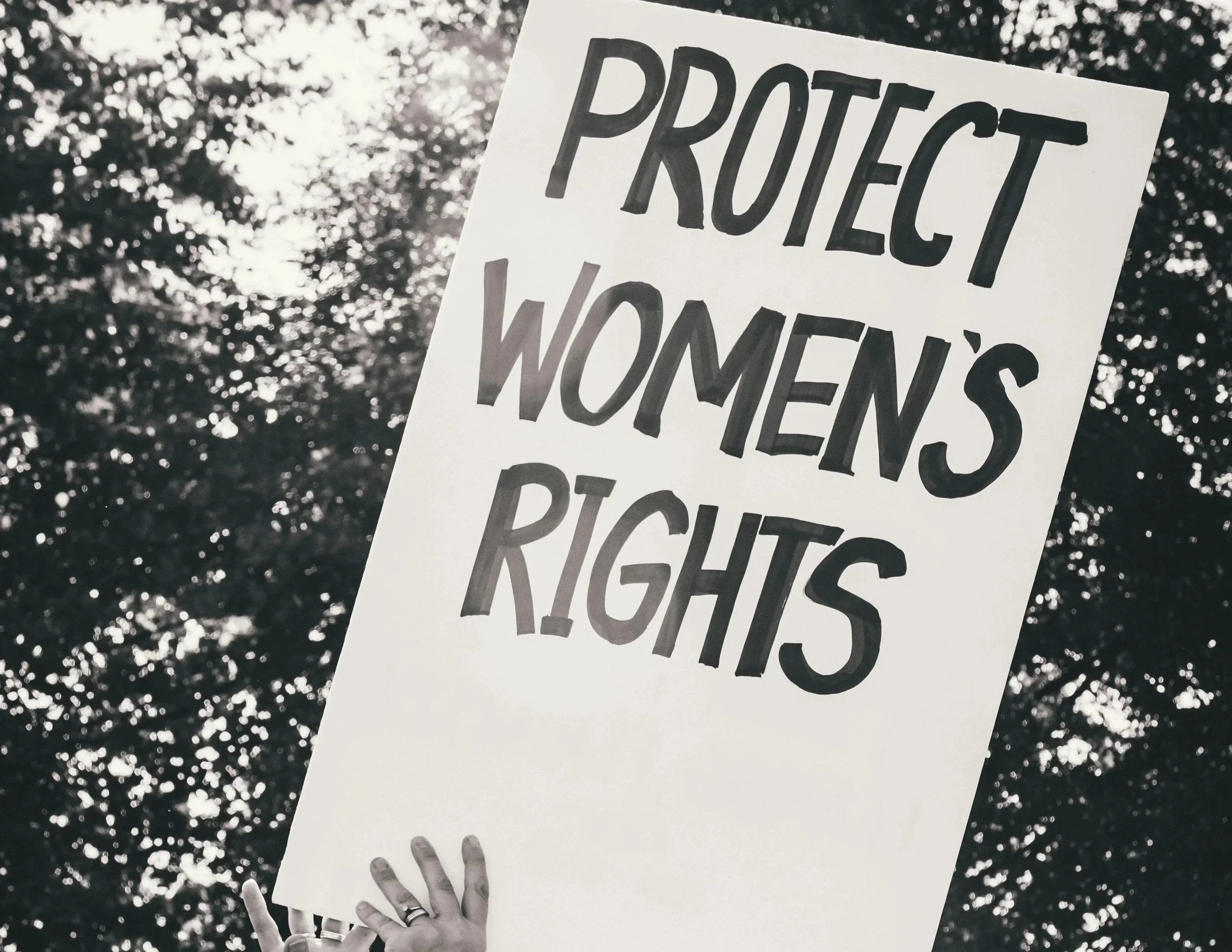
Why Reproductive Justice > Reproductive Choice
Focusing on choice centers a small subset of women who already have access to all the necessary resources they need to make the choices they desire. On the other hand, reproductive justice takes into account the experiences of all women. As SisterSong puts it, there is no choice where there is no access.
Take this historical example: Roe v. Wade made abortion legal in 1973. But in 1977, the government passed the Hyde amendment, which withdrew federal funding for abortions. This effectivelly barred many women — especially Black, Puerto Rican, & Indigenous women — from their legal right to abortion. Even under Roe, the so called “choice” to have an abortion was only available to those privileged enough to be able to access one
In her book Just Get on the Pill, Sociologist Dr. Krystale Littlejohn writes:
"Reproductive justice applies to all women, both privileged and not, even as it draws attention to the disproportionate consequences of fertility control efforts for women of color."
When we focus our conversations and efforts on reproductive justice rather than simply being pro-choice, we take into account the full spectrum of a woman’s reproductive life. We shine light on the forces keeping women from fully realizing their reproductive autonomy and wellbeing. And we can truly work to build a reproductive future which is liberatory for everyone – especially those who have been and are currently most harmed by our unjust systems.
Support the work: Reproductive Justice Organizations
✦ Sistersong Women of Color Reproductive Justice Collective. “SisterSong is a Southern based, national membership organization; our purpose is to build an effective network of individuals and organizations to improve institutional policies and systems that impact the reproductive lives of marginalized communities.” Learn more and donate here.
✦ In Our Own Voice: National Black Women's Reproductive Justice Agenda. “In Our Own Voice is a national-state partnership focused on lifting up the voices of Black women leaders at the national and regional levels in our fight to secure Reproductive Justice for all women, girls, and gender-expansive individuals.” Learn moreand get involved here.
✦ #HappyPeriod. “Our mission is to produce programs with love centered on menstrual care. We are committed to reshaping the discussion surrounding menstruation while bridging access to education and safe products for underserved periods. #HappyPeriod strives to eliminate the stigma on menstruation by reshaping the discussion surrounding it, while also providing accessible period care and education. One of #HappyPeriod’s main purpose is to cultivate programs that promote better healthcare, ally-ship, access, and education centered on menstrual health. Our intention is to be an advocate encouraging body literacy for Black Women, Girls, Femmes, and Non-binary or gender expansive humans.” Learn more and donate here.
✦ If/When/How: Lawyers for Reproductive Justice. They run the Repro Legal Helpline, which offers free, confidential legal services about reproduction, including abortion, pregnancy loss, and birth. They also run the Repro Legal Defense Fund, which provides financial support for people investigated or fighting charges related to their pregnancy or abortion.
