

UN Declares Transatlantic Slave Trade "Gravest Crime Against Humanity"
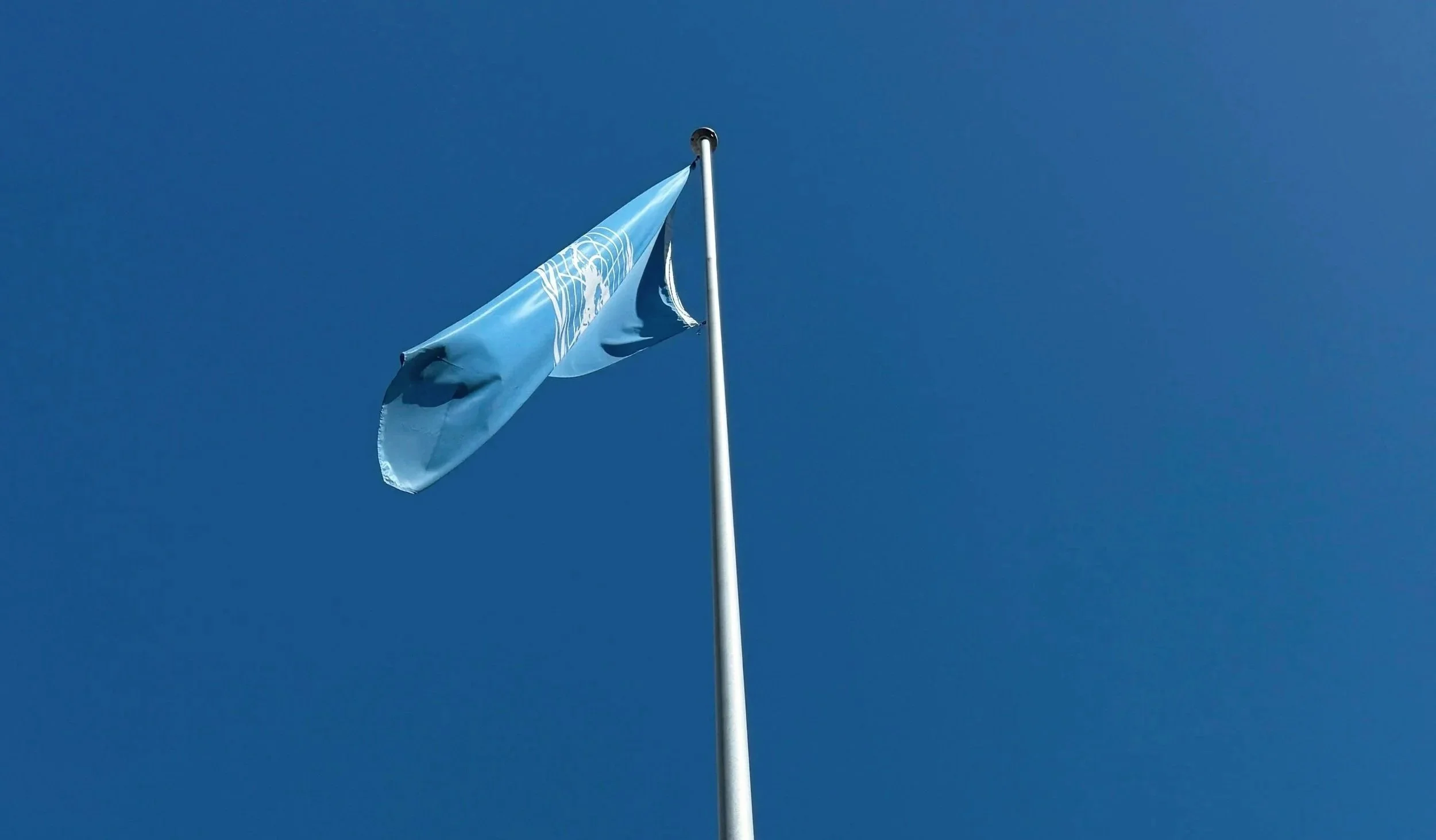
The UN finally recognizes the transatlantic slave trade for what it is: the gravest crime against humanity. The long-overdue declaration opens the door to deeper questions about reparations. What will follow?
The Resolution
Last month, the United Nations General Assembly overwhelmingly voted to pass a resolution declaring the transatlantic slave trade "the gravest crime against humanity". A step, finally and long overdue, towards the direction of justice. Though symbolic, it also paves the way for larger discussions (and hopefully action) on reparations for the countries and communities ravaged by the violence of slavery.
As the vote was about to commence, Ghanaian President John Dramani Mahama, a key architect of the resolution, called it a way to “affirm truth and pursue a route to healing and reparative justice” and that “the adoption of this resolution serves as a safeguard against forgetting.”
Though it is not legally binding, the resolution calls reparations "a concrete step towards remedying historical wrongs." It also calls for "the prompt and unhindered restitution" of stolen artwork, monuments, documents, and other cultural artifacts be returned to their countries of origin.
The Vote
The resolution, which was introduced by Ghana, passed with 123 countries voting in favor. Yet not everyone was in support. Three countries actively voted against it: The United States, Israel, and Argentina. 52 countries (including the United Kingdom, all 27 members of the European Union, Canada, and Australia) opted for a quieter denial by way of abstaining.
One thing unites these countries: their wealth was built, as UN Secretary-General Antonio Guterres said, on the “stolen lives and stolen labour" of the people trafficked into the transatlantic slave trade.
To vote yes would be an acknowledgement that the resources they sit on were built upon (and currently maintained through) violence and oppression. Once that original sin is acknowledged, the tightly bound threads of empire begin to loosen and the entire facade starts to crumble. Truly facing our dark history would mean that things would have to change.
But in order to build something new, something better — what is rotten needs to be rooted out. Looking clearly and honestly both at where we are now and how we got here, it becomes too obvious what is broken, how resources need to shift, who needs to give up power, and who must be uplifted and listened to if we ever want to live in a healthy, beautiful, and just world.
The Historical Precedent for Reparations
There is ample historical precedent for reparations. In 1988, the US government gave reparations to Japanese American survivors of the internment camps of WW2 in the form of direct financial compensation and letters of apology. Most famously, since 1952 Germany and other European countries have given over $80bn to Jewish victims of the Nazi regime, and the Israel.
Yet, no country has ever paid reparations to the descendants of enslaved Africans or affected African, Caribbean and Latin American nations. In fact, the US government actually gave compensation to slave owners in the 19th Century, rather than to those who had been enslaved. Similarly, France has forced Haiti (formerly colonized by the French) to pay an “independence debt” of 150 million francs to compensate for France’s so called “lost property” after Haiti gained independence.
The lack of reparative action despite precedent underscores the gravity of the evil enacted and perpetuated by the legacy of transatlantic slave trade. It also highlights the enormity of the harm done — to truly attempt anything close to repair would necessitate a fundamental shift in the world.
But the world is shifting, as much as some people try to grasp at the past. The question is, who will be part of building that better world, and who will continue to sell their soul to keep their tenuous grip on power?
