

How to Build Ritual Without Buying Things
From the editors
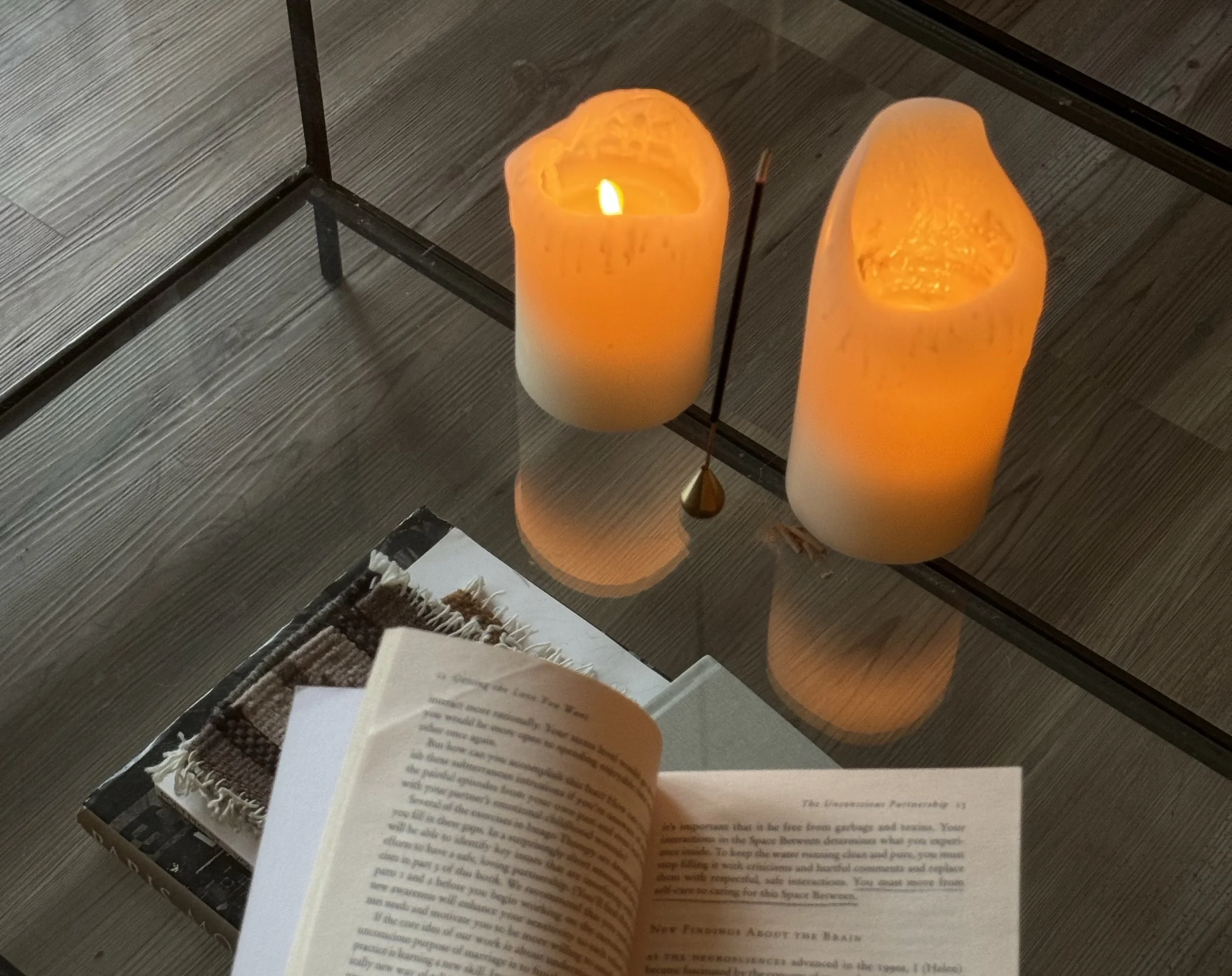
Your grandmother lit a candle. Your ancestors made altars from stones. When did ritual require a credit card?
Ritual is repetition with intention—actions performed deliberately to mark transitions, create meaning, or connect with something larger than daily routine. You don't need specialized products to build meaningful practice. The most powerful rituals use ordinary objects (water, flame, stones) and consistent actions performed with attention. What makes something ritual isn't what you buy—it's what you bring to it.
another one
Another targeted ad for ceremonial cacao. A ritual candle that costs more than dinner. Someone's morning routine featuring seventeen products you've never heard of.
You want ritual in your life. Something to mark the transitions. Something to make meaning from the chaos. But every guide starts with a shopping list, and every practice requires products.
Your grandmother lit a candle. Your ancestors made altars from stones and water. Women in the Zambezi valley marked seasons with water and smoke. They knew which objects held power because they made themselves known.
When did spiritual practice become a matter of a credit?
the marketplace for the sacred
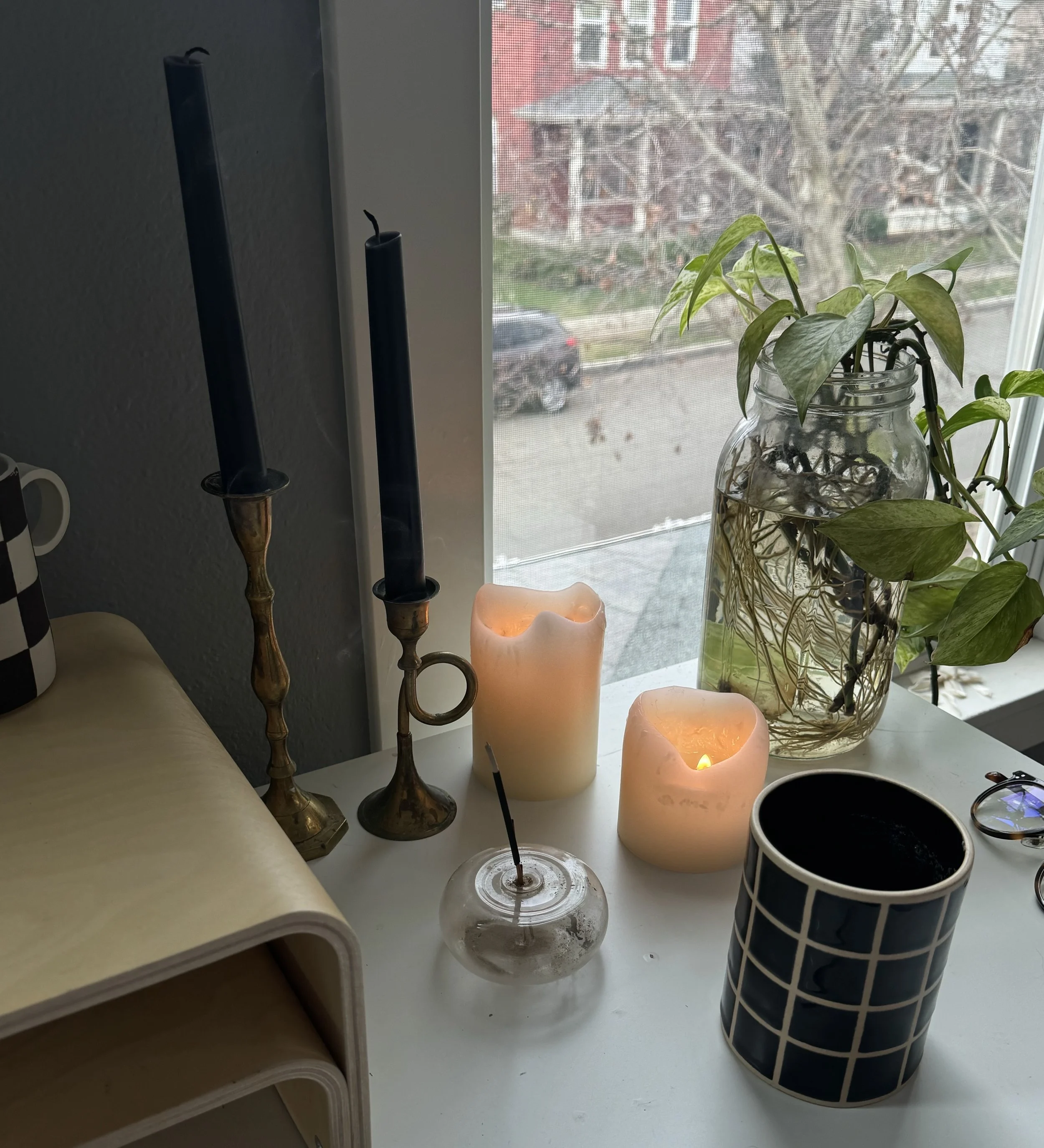
The wellness industry sells ritual back to you at a premium. Sage bundles that used to grow wild. Crystals mined by underpaid workers. Meditation cushions that cost more than a week of groceries.
They've turned your hunger for meaning into another transaction. Another shopping cart. Another product launch.
Industrial life made repetition mindless. Made ordinary objects seem insufficient. The wellness industry just repackages what was taken—from people, from the earth, from you—and charges for access.
The most powerful rituals cost little in dollars, but everything in commitment. They require presence. Attention. Care.
Things you can't add to cart.
what ritual actually is
Ritual is repetition with intention.
Making your tea the same way each morning, but knowing why. Walking the same path, but letting it mean something. Lighting a candle and deciding what it marks.
It's in those moments you've already lived. Touching a tree for luck. Keeping a shell that caught your eye. A rock from a good day that sits on your desk.
Every time you've done something small to mark something large—that's ritual. You already know how.
the elements all around you
Fire: The stove flame. Birthday candles. The lighter in your drawer.
Water: Your shower as daily cleansing. A bowl of water by your bed. Rain on windows.
Earth: Houseplants as living altars. Stones from your walk. Salt from your kitchen.
Air: Your breath, always there. An open window. Incense from the corner store.
Ordinary things can carry power.
The spoon you use every morning. The cup that knows the shape of your grip. Objects with history hold more than new ones ever could.
simple rituals
Morning ritual: Make your first glass of water an intention. Hold it. Breathe into it. Drink knowing what you're taking in.
Transition ritual: When you get home, remove the day with your clothes. Choose who you are now.
Protection ritual: Salt at thresholds. A word written on paper and kept in your pocket.
Gratitude ritual: Three things written on whatever paper you have. Burned in whatever flame is near. The smoke carries it whether you bought the matches or borrowed them.
what shouldn't be sold
Time moving slower when you pay attention.
The way repetition creates rooms in your life—chambers you can return to.
How your body learns what ritual feels like and starts creating it everywhere.
The moment your ordinary spoon becomes sacred because you decided it was.
The power of doing the same thing at the same time until you are transformed.
How your hands remember. How the room feels different after you've lit that candle thirty times. How returning to the same gesture makes it a doorway.
These don't come in packages. They build through practice.
but here's what spending actually teaches you
Every purchase is ritual. Every transaction, a prayer to something.
When you buy the $90 sage bundle, you're practicing: consuming is the same as connecting.
When you buy seventeen products for your morning routine, you're practicing: transformation comes from accumulation.
When you invest in something that actually serves your growth—a practice you return to, a teacher who deepens you, a space that transforms you (this is why the journal exists)—you're practicing: commitment over consumption.
The ritual of spending matters. What you exchange money for teaches you what you believe transformation requires.
Transformation does come from outside you. From places that shape you. From practices that change you. From teachers who know what you don't yet know. From materials that affect you differently.
But products aren't practices. Sage bundles aren't ceremony. A crystal collection isn't spiritual practice. Seventeen bottles in your bathroom aren't ritual—they're just clutter you paid for.
The industry wants you confusing consumption with connection. Buying with becoming. Products with practices.
Real transformation costs something—but usually not your credit card. It costs attention. Consistency. The willingness to return to the same gesture until it changes you.
When you invest in practices that require your presence, in spaces you return to, in rhythms that shape your months—you're choosing transformation over transaction.
Choose what you're practicing.
the practice
Tomorrow morning, before you reach for your phone, before you think about buying anything, try this:
Light something. Anything that creates flame.
Put water in something. Any vessel that holds.
Touch something living. Your own skin counts.
Breathe with intention.
Call it ritual because it is.
That's all ritual has ever been—a small doorway to the sacred.

Read our Journal.
The collection explores, the journal transforms. Get sanctuary in your inbox. Every other Sunday.
