

Loved Women Who Run With the Wolves? Read These Next
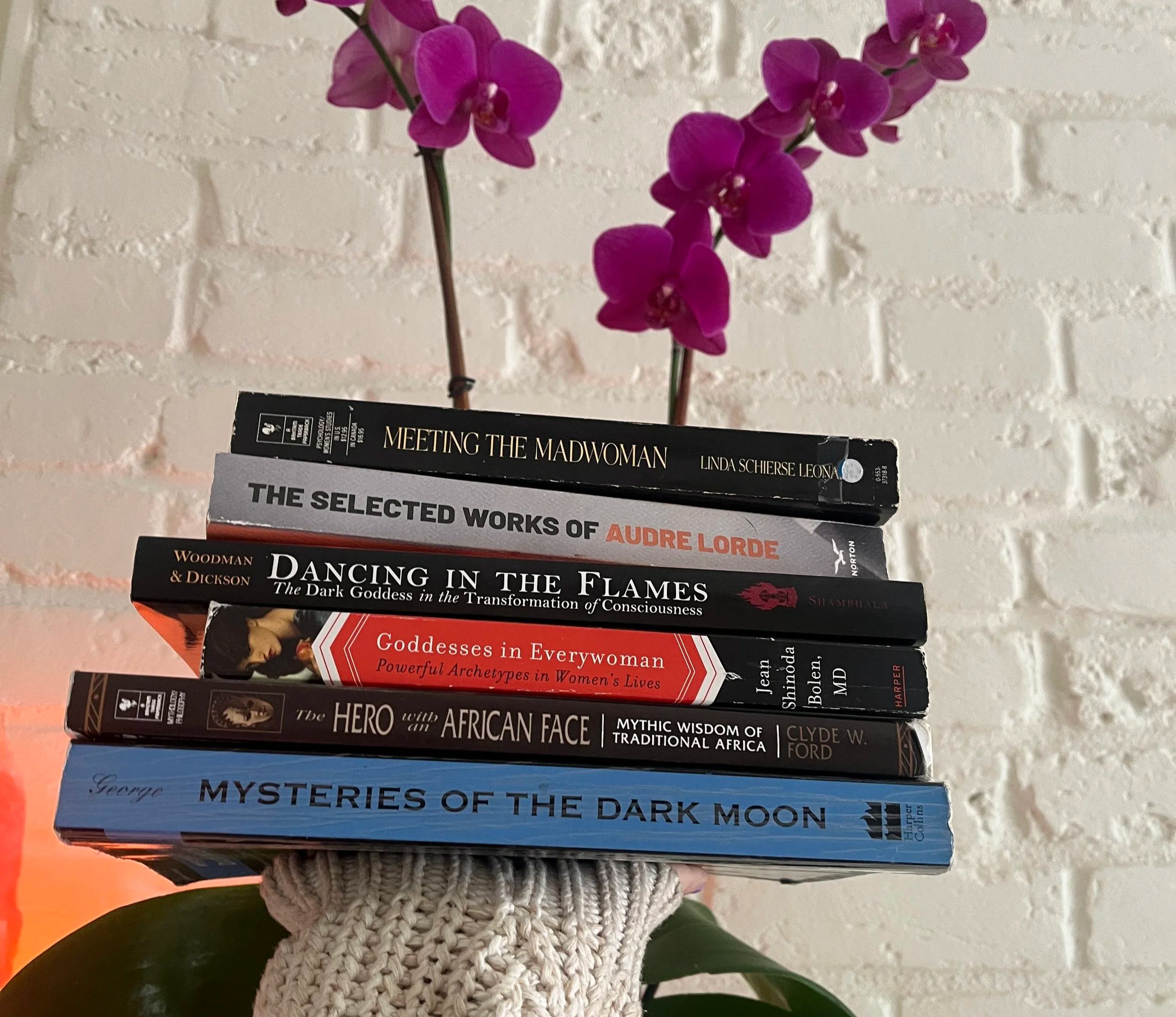
Loved Women Who Run With the Wolves and searching for your next read? Here are 6 books that explore similar territory: archetypes, myth, cycles, creativity, and the connection with the wild feminine.
Women Who Run With the Wolves is considered a seminal text for a reason — nearly all who venture to read it come away transformed in one way or another. In it, psychologist and curandera Clarissa Pinkola Estés explores the wild woman archetype, weaving together psychology and mythology to inspire, revive, and enchant.
If you are a WWRWW devotee and are longing for more on archetypes, mythology, and the cycle of creation and destruction, add these 6 books to your reading list.
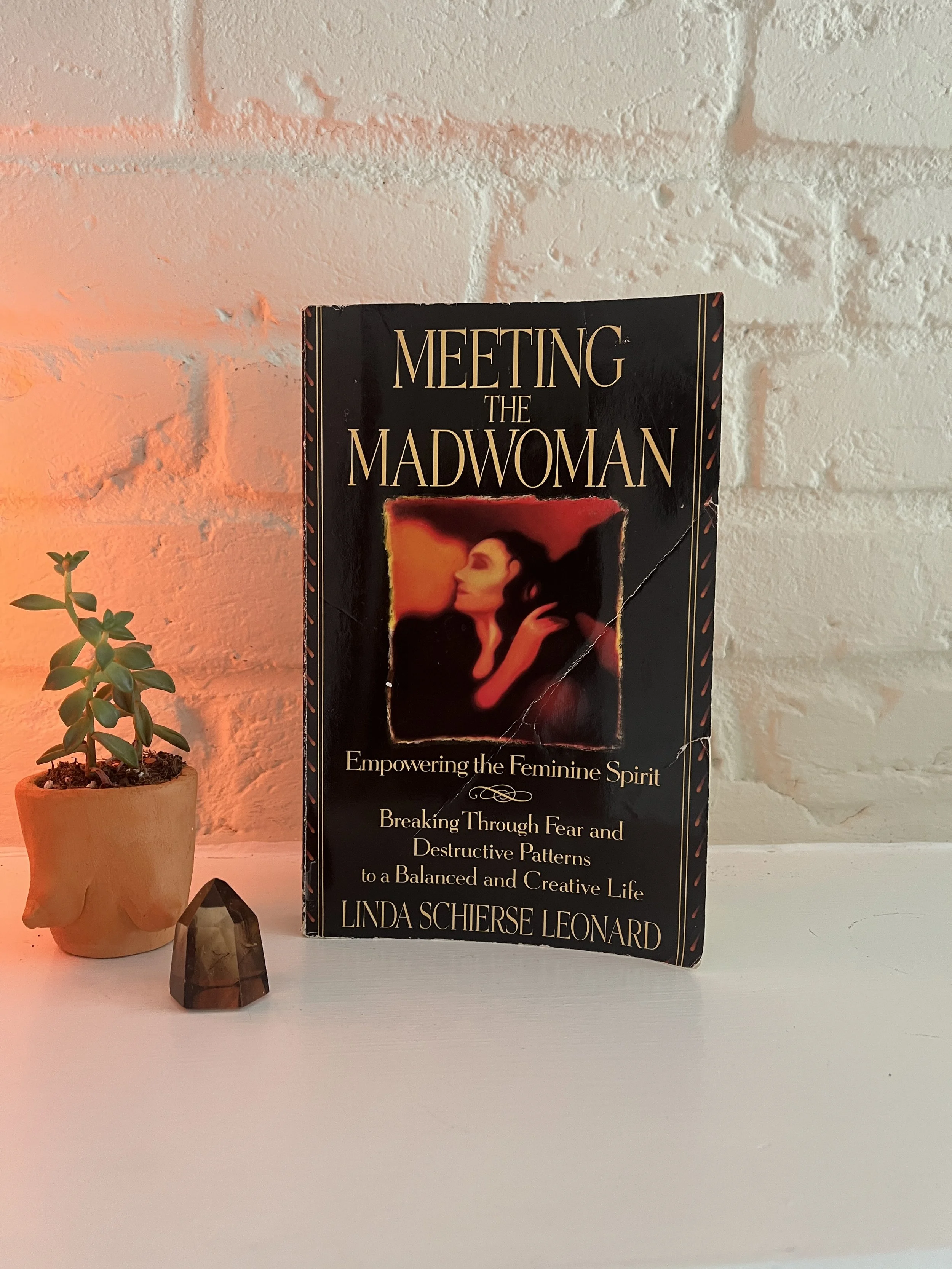
Meeting the Madwoman by Linda Schierse Leonard
“Earthiness, spontaneity, flexibility, emotional vitality, compassion, warmth, merging in a network of caring are all are aspects of feminine spirit. The power that enables grass to grow and push up through rocks and concrete, the energy that flows through our bodies and rejuvenates us every spring, the reverence for life, for planting seeds, for the cycle of the seasons, and the courage to endure the pain of labor and giving birth, all are expressions of the feminine spirit that enlivens and moves us, inspires and breathes life into us, and links us to the earth.”
Meeting the Madwoman blends psychology and storytelling to explore the archetype of the madwoman — the powerful, primal, wild aspect of the feminine that can either be a source of destruction and chaos or transformation and creativity.
Through exploration of myth and fairytale, literature and movies, and the lives of real life women, Linda Schierse Leonard illuminates the different faces of the madwoman, and how we can work with her as a source of empowerment and creativity.
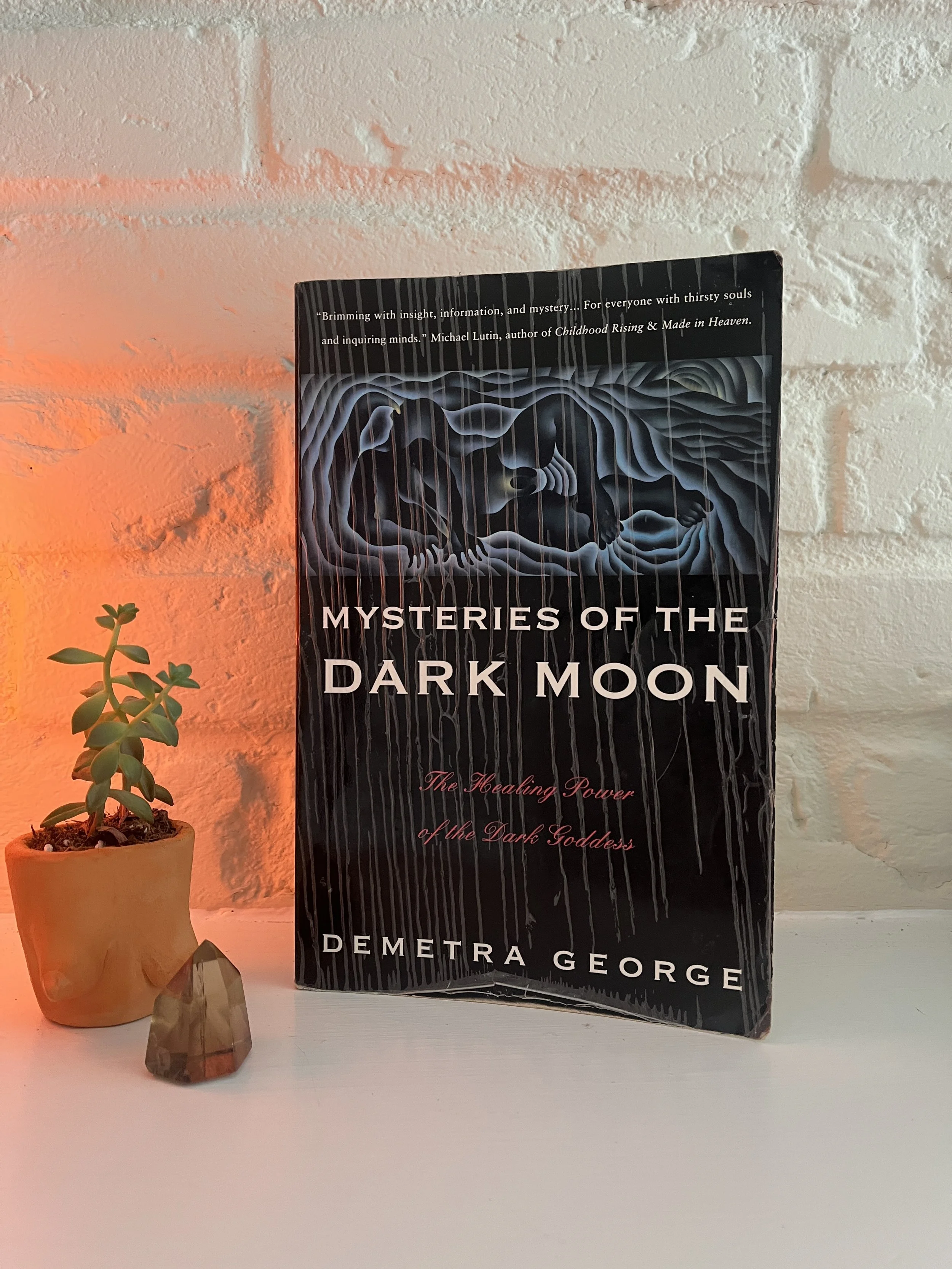
Mysteries of the Dark Moon by Demetra George
“At the dark of the moon a woman turns inward emotionally and physically. She craves sleep, has less interest in outer matters, and feels the urge to pull into the still and quiet renewal of her bleeding time. With the waning moon, a woman’s psychic abilities are heightened. This is a prime time for her to engage in all kinds of inner work, as well as a time for her to complete, release, and let go of the old cycle.”
In Mysteries of the Dark Moon, astrologer Demetra George explores the mystery, wisdom, and power of the dark phase of the moon's cycle. Combining psychology, mythology, and spiritual perspective, she delves into the shadowy, feminine symbolism of the dark moon to reclaim the darkness from something oppressive and fear-inducing, to something fertile and emotionally generative.
She also explores the archetypal "dark goddess" (through dark goddess figures like Lilith, Kali, and Hecate) who have long been associated with death, sexuality, and the unconscious.
It’s a powerful book on navigating the darkness and harnessing the transformative potential of loss, pain, and grief in our lives.
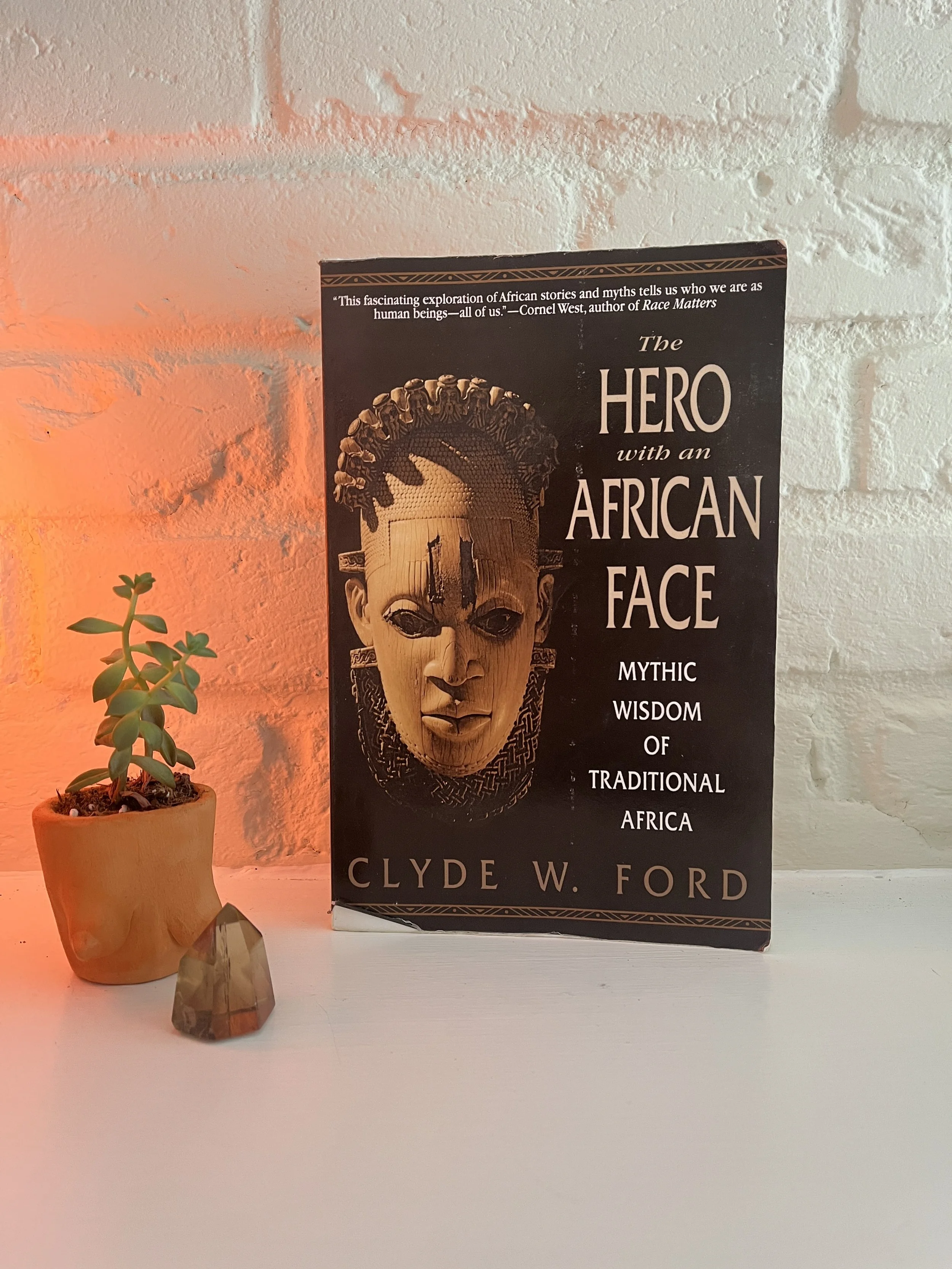
The Hero with an African Face: Mythic Wisdom of Traditional Africa by Clyde W. Ford
“This symbolic descent into the belly of the beast is the pivotal moment of the hero's adventure; this is the womb of his rebirth, the crucible of his transformation, the time of his reinvention. This motif of the hero's death and resurrection is found with great regularity in the mythic traditions of Africa, no doubt reflecting the countless opportunities life affords to witness this pattern. Crops die, only to be reborn annually; women shed a portion of their body monthly only to be renewed; the moon sheds its shadow also to be reborn in light each month; human consciousness dies to the light world of day, is reborn to the night world of dream, and then is resurrected to the light world again.“
In The Hero with an African Face, scholar and somatic psychologist Clyde W. Ford explores the rich mythic wisdom of the birthplace of humanity’s first heroes and heroines.
Equally scholarly and spiritual, it explores several key myths and what they teach about the creation of the world, the hero's journey of transformation, our relationship with nature, death, and rebirth. It also dives into archetypes and how to make sense of myth and metaphor, making it an excellent read for deepening one’s mythological understanding.
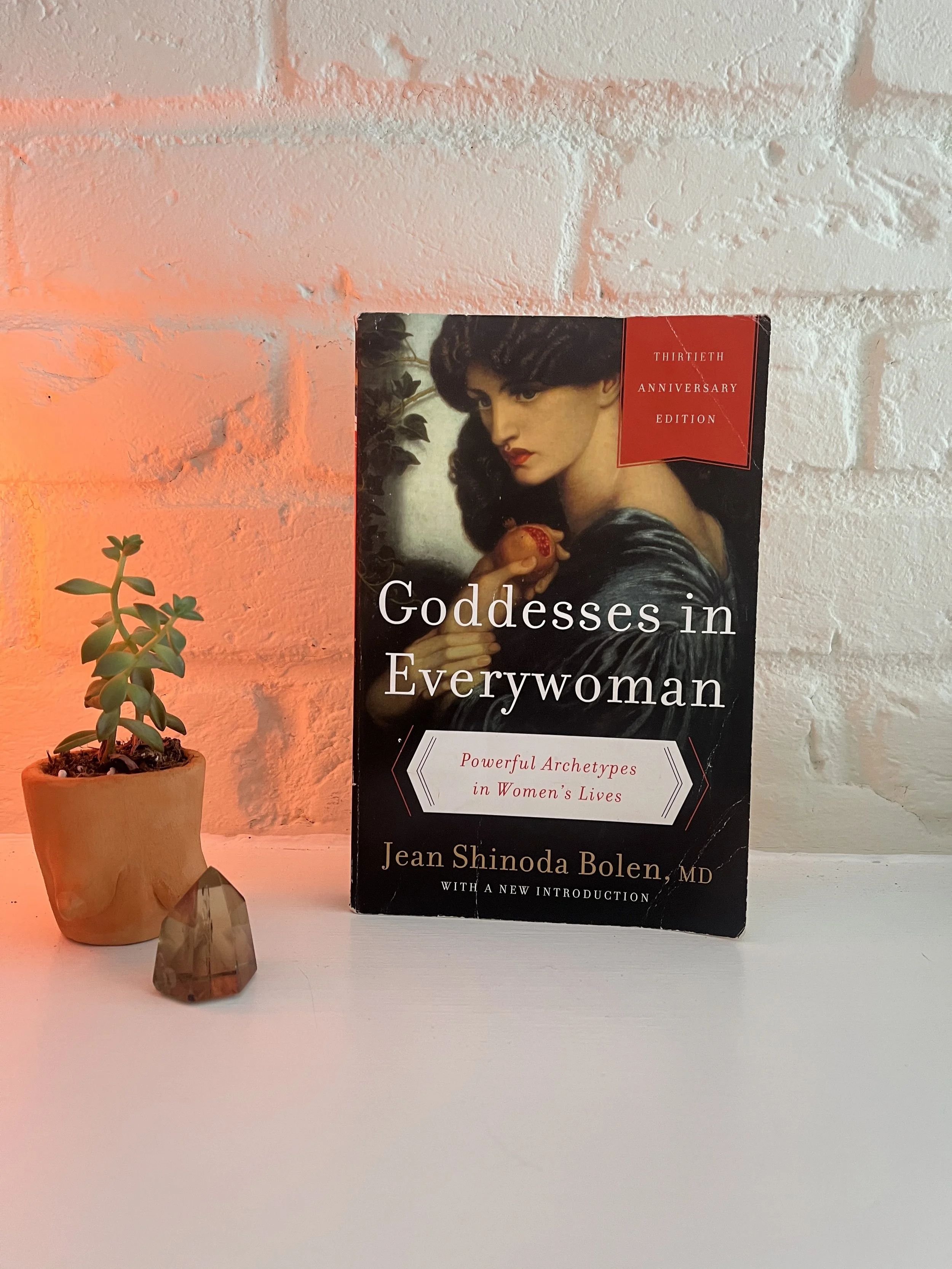
Goddesses in Everywoman by Jean Shinoda Bolen
“When a woman senses that there is a mythic dimension to something she is undertaking, that knowledge touches and inspires deep creative centers in her. Myths evoke feelings and imagination and touch on themes that are part of the human collective experience.”
Goddesses in Everywoman is a classic feminine psychology book from psychiatrist and Jungian analyst Jean Shinoda Bolen. In it, she lays out her typology of the seven goddess archetypes and their behavior patterns and personality traits that play out in women’s lives.
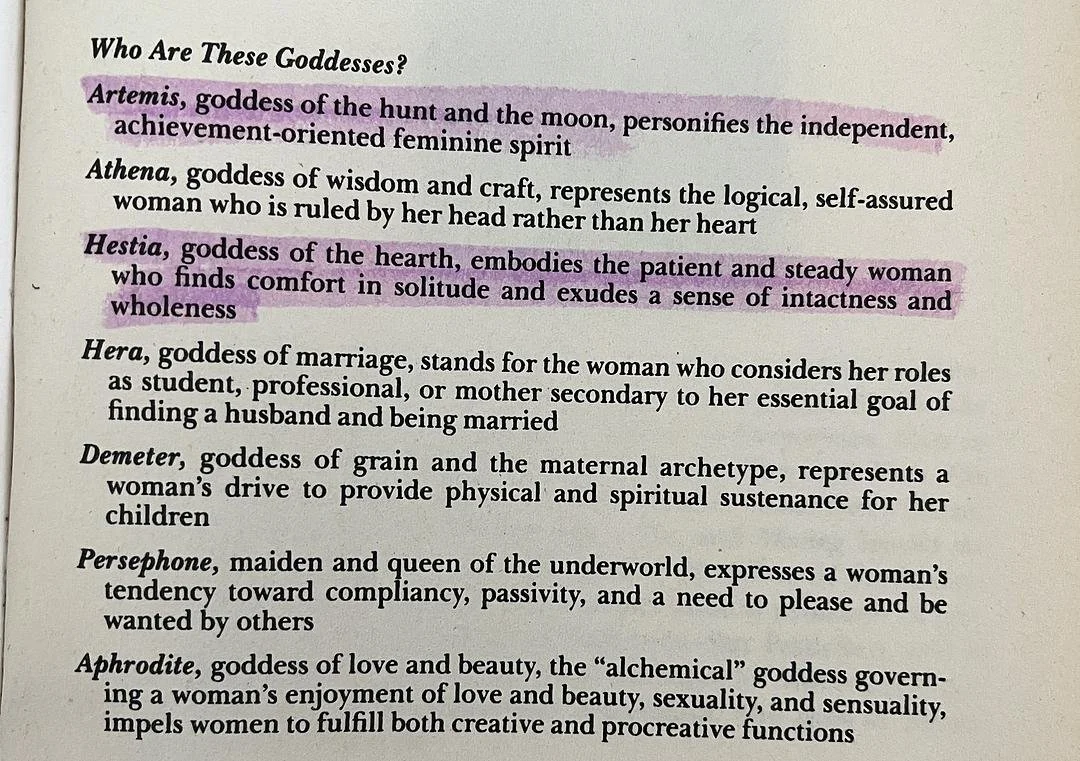
She explores each archetype through myth as well as stories from her own clinical experience, helping the reader identify which archetypes may be more dominant (or dormant) in her life and use that information as a pathway to self-growth.
It’s a good next read for those who want to dive deeper into feminine archetypes and understanding inner patterns.
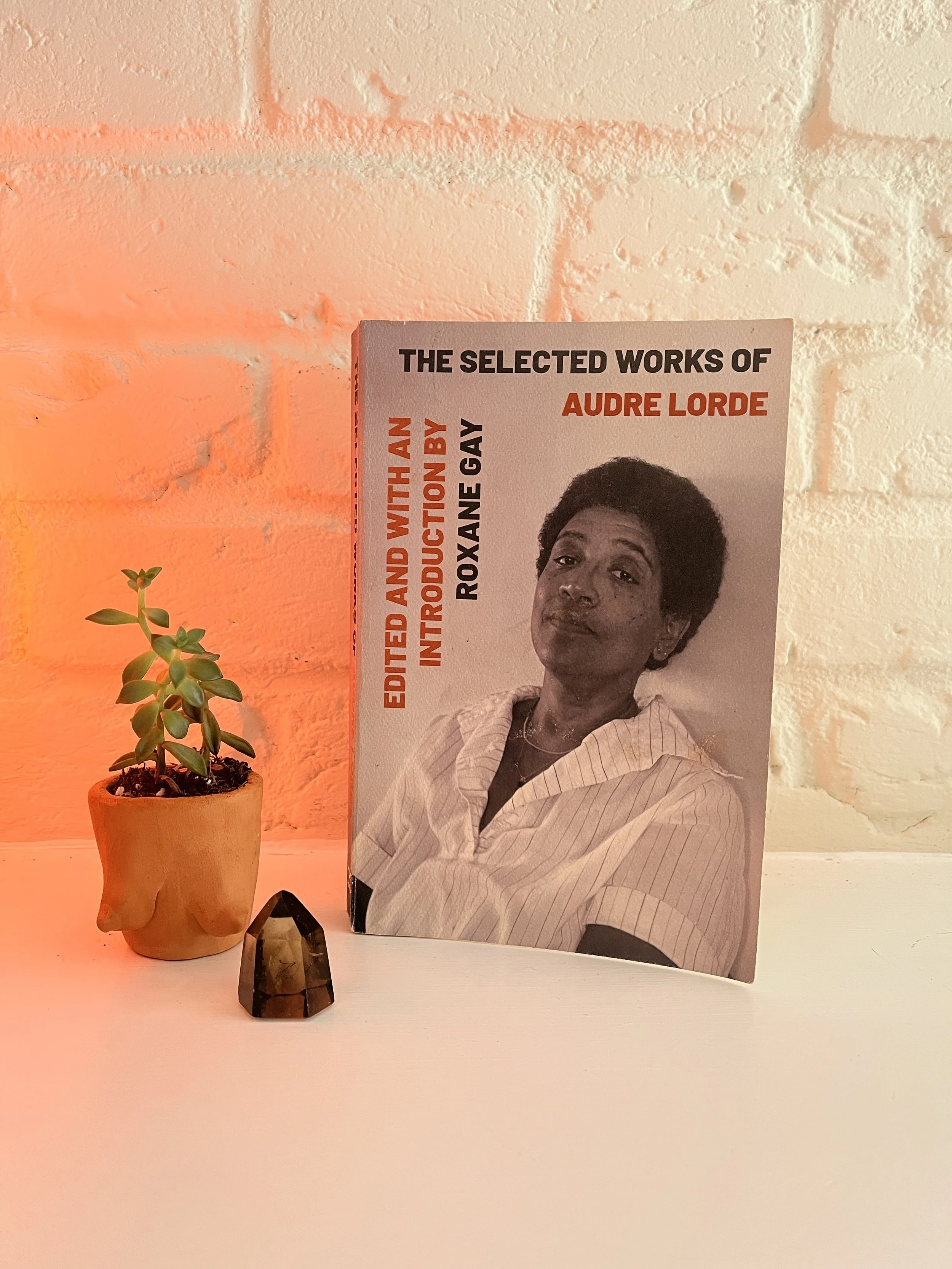
Selected Essays by Audre Lorde
“As women, we need to examine the ways in which our world can be truly different. I am speaking here of the necessity for reassessing the quality of all the aspects of our lives and of our work, and of how we move toward and through them. The very word erotic comes from the Greek word eros, the personification of love in all its aspects-born of Chaos, and personifying creative power and harmony. When I speak of the erotic, then, I speak of it as an assertion of the lifeforce of women; of that creative energy empowered, the knowledge and use of which we are now reclaiming in our language, our history, our dancing, our loving, our work, our lives.“
Audre Lorde writes with immense power, precision, and emotional depths. Her essays span many topics, from the political to the personal. Fans of WWRWW may especially resonate with these essays that touch on emotional power, working with our emotions, feminine power, and creativity as a source of collective change:
“Poetry is Not a Luxury”
“The Transformation of Silence into Language and Action”
“The Uses of Anger: Women Responding to Racism”
“My Mother’s Mortar”
“Uses of the Erotic: The Erotic as Power”
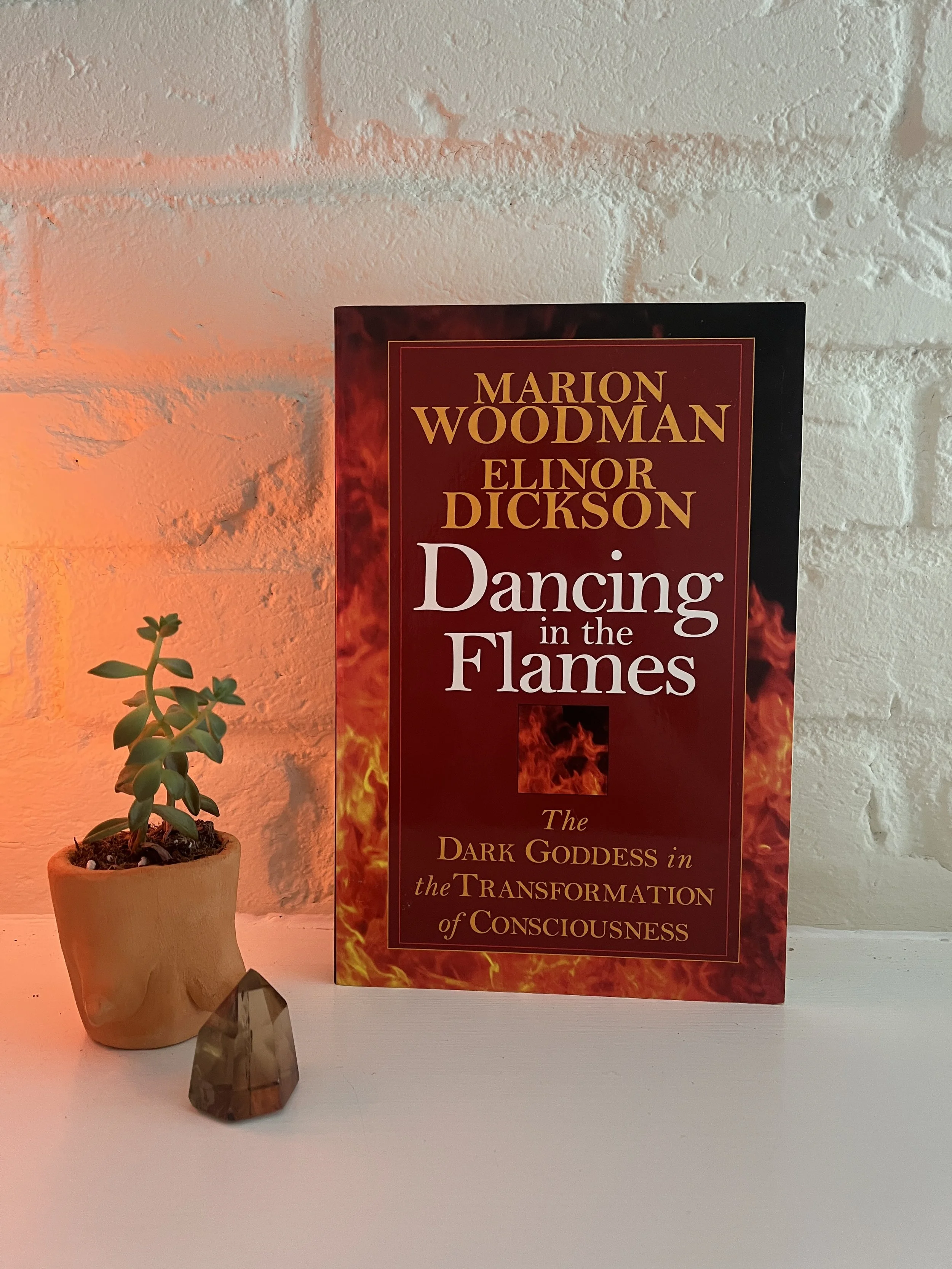
Dancing in the Flames: The Dark Goddess in the Transformation of Consciousness by Marion Woodman and Elinor Dickson
“The fact is the Goddess who gives life is the Goddess who takes life away. That fact allows for no sentimentality. In feminine thinking, we hold the paradox beyond the contradictions. She is the flux of life in which creation gives place to destruction, destruction in service to life gives place to creation.”
Another book that dives deeply into the archetype of the dark goddess, for readers who are drawn to the themes of wild feminine energy and finding wisdom in the darkness.
It examines several mythological manifestations of the dark goddess, exploring how she embodies the energy of chaos and creativity, creation and destruction, death and rebirth.
