

An Herbalist’s Guide to Surviving Allergy Season

Seasonal allergies hitting hard? Herbalist and Soulstice editor Sabrina shares the natural remedies that actually help (and the climate-related reason they're getting worse).
Spring is here, and with it comes beautiful blossoms, melodic birdsong, and… seasonal allergies 🤧
If you're anything like us, come springtime your allergies can have you feeling pretty miserable. But take it from an herbalist who used to carry Claritin with her everywhere (aka me, Sabrina) – there are other options out there.
So for those who are worried about potential adverse affects of antihistamine medication (like how Benadryl has been linked to dementia), or who just prefer to take a natural approach, here are a roundup of the most effective natural remedies for seasonal allergies.
Before we dive in, something to know is that while these are incredibly effective remedies, they work best when taken consistently. For the most part, they don't work quite as quickly as a pill would – think a couple hours or days depending on the remedy, versus 15 minutes for a Claritin. That's because they're working with your body, on a deeper level, to address causes as well as symptoms.
So without further ado, let’s get into it.
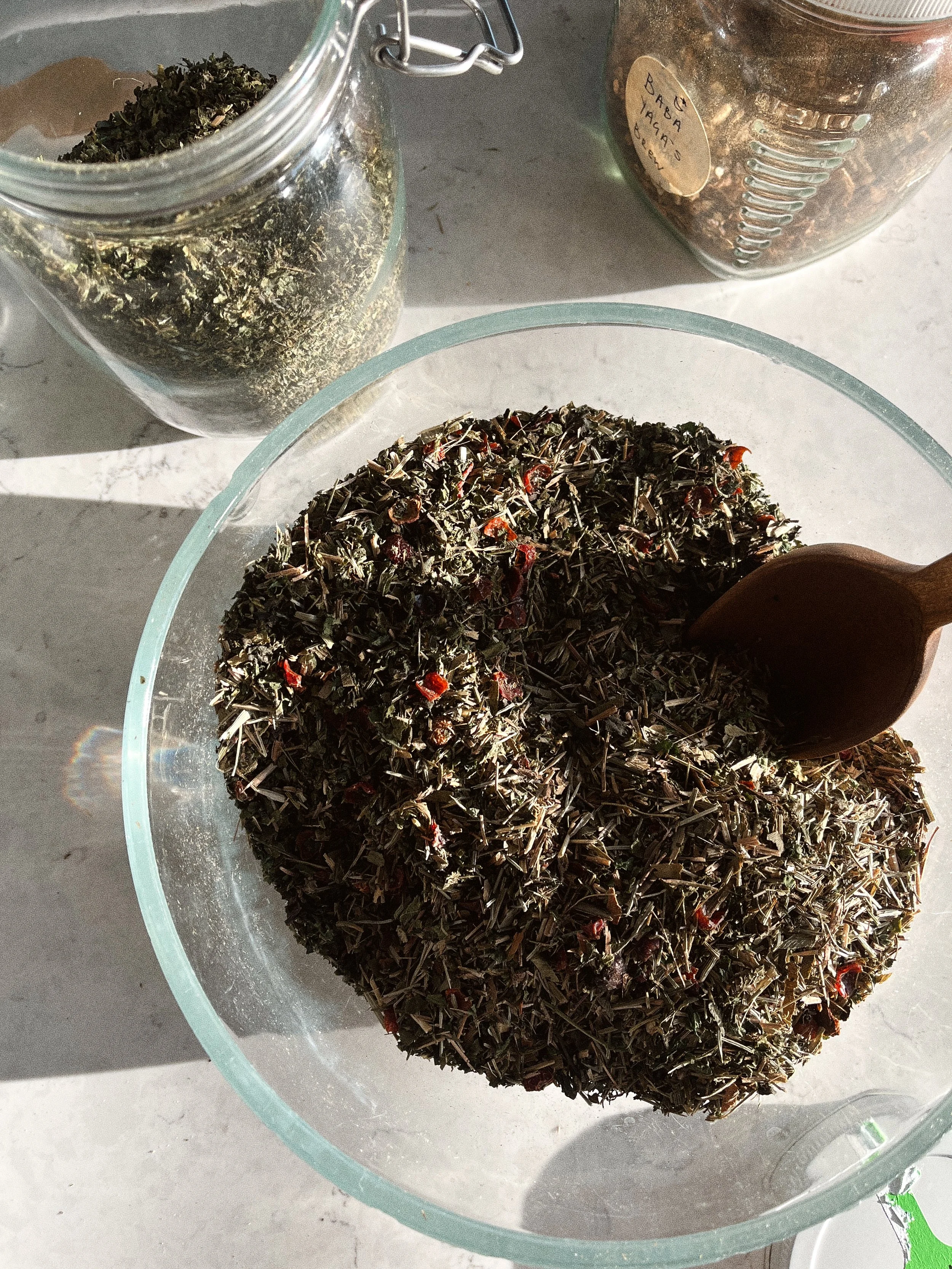
1. Stinging Nettle. Stinging Nettle (Urticadioica) is an incredibly nourishing, revitalizing, and cleansing herb. It's also my go-to for seasonal allergy relief (with a side of vibrant energy & glowy skin).
Nettle works by inhibit the breakdown of mast cells (the cells in your body where histamine is created and released). In other words, it's a natural antihistamine. And its allergy-relieving powers have been backed up by several studies. Fresh or freeze-dried nettle works best, with freeze-dried capsules being the easiest and generally most accessible option.
That said, I've experienced allergy-relieving benefits from daily overnight infusions. Either way, it builds up over time and the longer you take it, the more allergy relief you'll get.
Our favorites: These freeze dried nettle capsules
🍵 Herbalist tip: to make an overnight nettle infusion, you’ll need a clean glass jar, dried nettle, and hot water. Fill your glass jar ~ 1/4 of the way up with dried nettle. Then, filled the rest of the jar with freshly boiled water. Tightly close the jar, and let it sit on your counter (or a moonlit windowsill) for 8+ hours or overnight. Strain and sip!
2. Quercetin. Quercetin is a flavanoid found in things like apples, onions, and olives.
It works as a natural antihistamine, and as an anti-inflammatory for your nasal and breathing passages to reduce your reaction to pollen.
Our favorite: these capsules
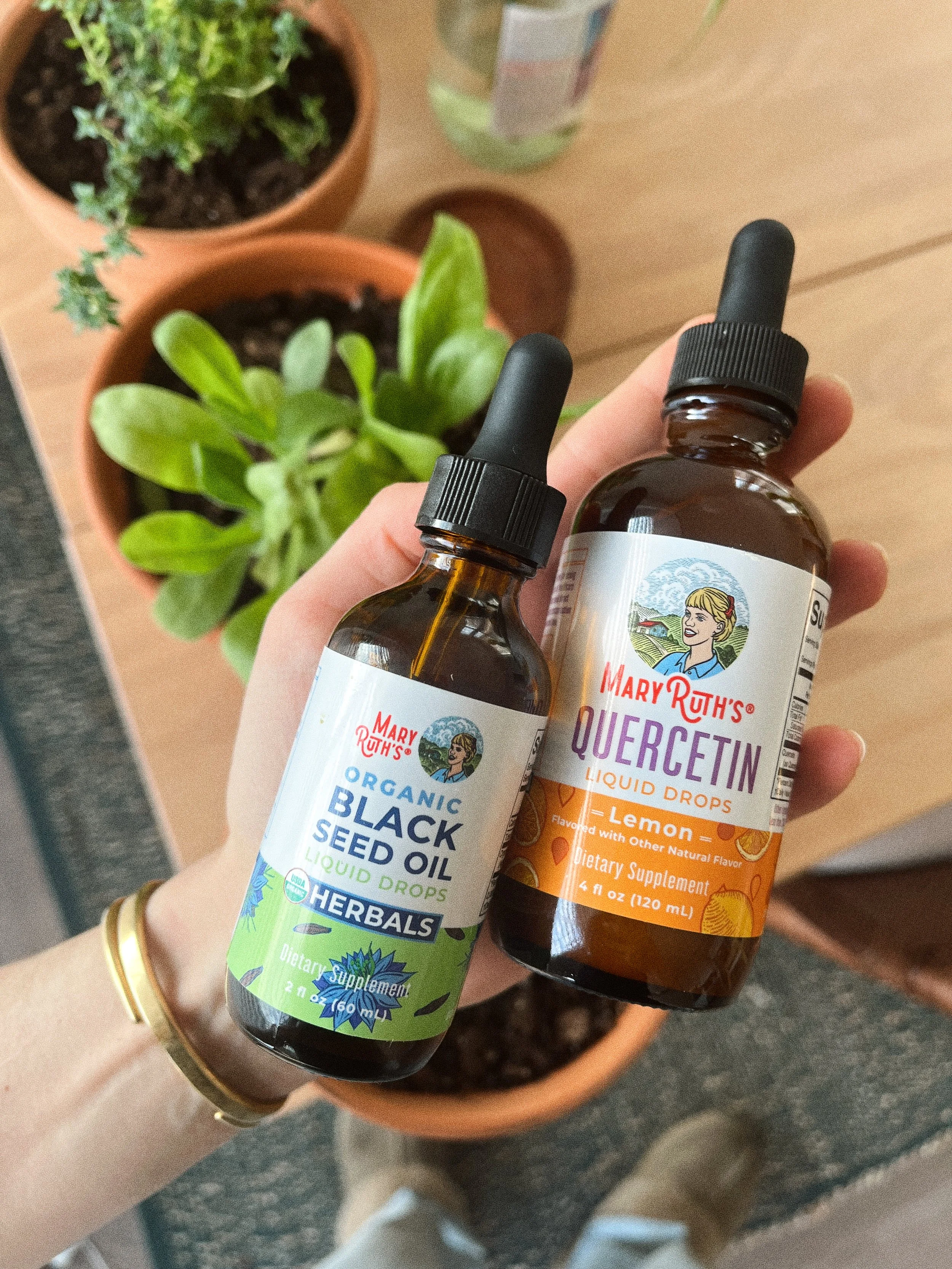
3. Black Seed Oil (aka black cumin oil or nigella seed oil) is a potent anti-inflammatory that helps support the immune and respiratory systems.
Black seed oil has been used medicinally for thousands of years in places throughout Africa and Asia. Recent research has found it to be quite effective at relieving symptoms of seasonal allergies. As a plus, it can also help with breakouts, hair growth, & overall inflammation.
Our favorites: These black seed oil capsules & these liquid drops
4. NAC (N-Acetyl-cysteine) is a supplement with a wide array of uses, from supporting the immune system to boosting brain health.
An antioxidant with a strong anti-inflammatory action, NAC has been shown to help with season allergies. It's also a mucolytic, meaning it helps to thin and break up mucus.
Our favorite: this blend that also includes nettles, quercetin, & vitamin C
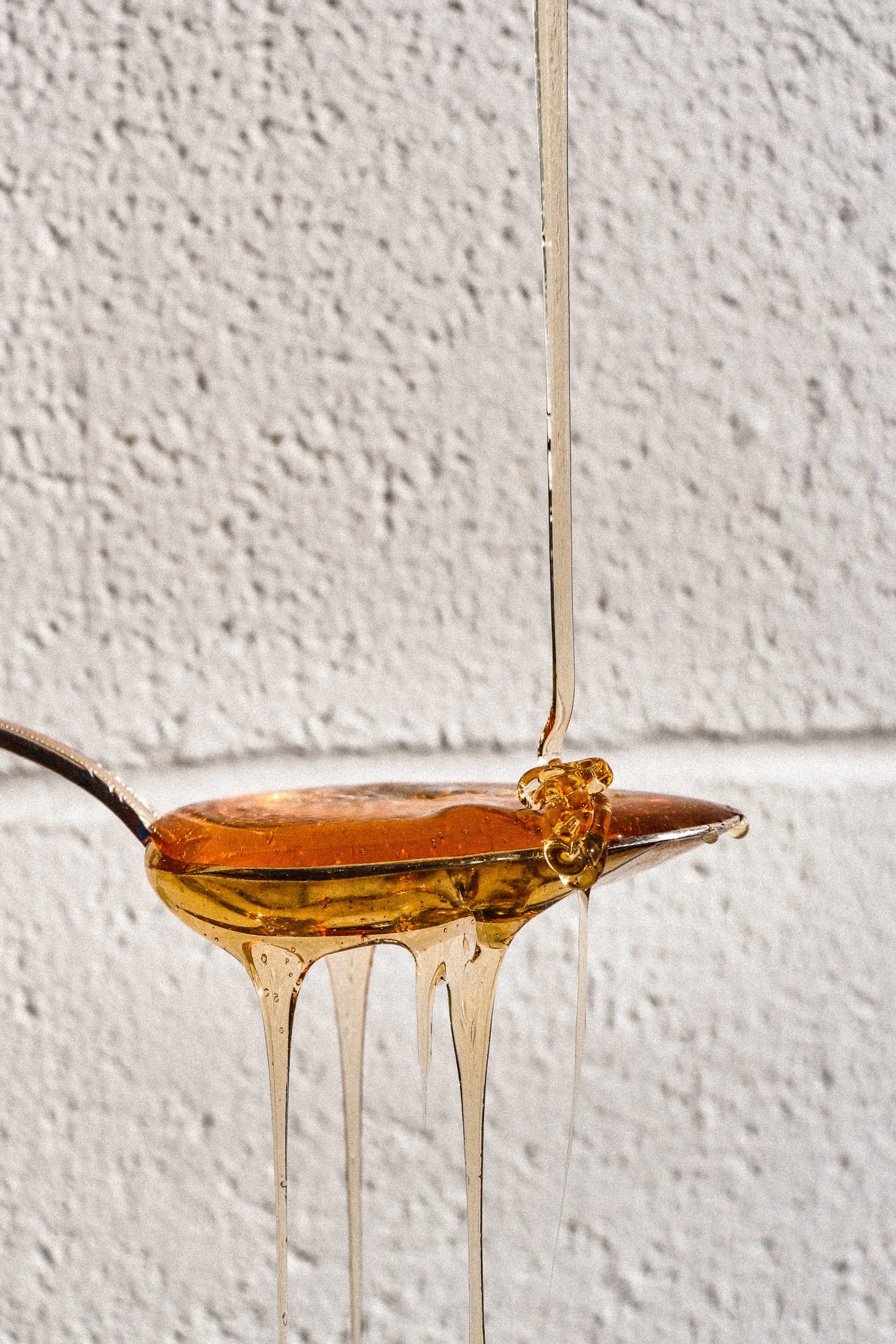
5. Raw Local Honey & Bee Pollen.
Raw, locally produced honey and/or bee pollen expose you to teeny tiny amounts of local allergens, helping you build up a tolerance over time and leading to decreased allergy symptoms. This is a remedy that works best when taken consistently (think 1-3 tbsp of honey per day) over time, so consider adding it on to one of the other remedies discussed here.
Our favorite: Look for locally produced raw honey & bee pollen at your local farmers market or health food store.
6. Liver Support, because a holistic approach sees the body as a connected whole.
The liver helps us clear histamine, which is the chemical our immune system releases in response to allergic or toxic exposures, causing our allergy symptoms. When our liver is sluggish or otherwise not functioning optimally (due to stress or diet), histamine builds up in our body and thus our allergy symptoms increase.
Support your liver with herbs like dandelion, burdock, milk thistle, & turmeric (turmeric is also a great anti-inflammatory). Bitter greens (arugula, dandelion greens, collard greens), beets, grapefruit & berries help, too.
Our favorites: Turmeric, beets, & bitter greens. Also, this tincture.
Little things to add into your routine:
Gua Sha for sinus congestion, pressure, & sinus headaches.
Cooled chamomile tea bags placed over your eyes to help with itchiness, swelling, & discomfort.
Peppermint tea with honey to soothe a scratchy, itchy, irritated throat.
Mullein tea or tincture to help clear mucus and soothe irritated mucus membranes
An herbal facial steam with thyme, rosemary, or eucalyptus to soothe and open your sinuses.
The Social Connection
If you've felt like your allergies have gotten worse over the years, it's not in your head – it's climate change. Because of climate change, pollen seasons are starting earlier, lasting longer, becoming more intense, and affecting areas they previously hadn't.
As the negative effects of climate change do not fall equally on all people, there are disparities in who is most effected by worsening allergies.
Research shows that marginalized and low-income communities are exposed to higher levels of environmental hazards that lead to more severe allergies, with a greater negative effect on both quality of life and long-term health outcomes.
For example, due to decades of racist redlining and segregation, Black families are more likely to live near industrial facilities, airports, and other areas with increased air pollution – this increases risk for asthma and other respiratory disorders that interact with and worsen one's response to allergens like pollen.
In other words, the physiological outcomes of the systems we live within do not fall equally on all people.

Read our Journal.
The collection explores, the journal transforms. Get sanctuary in your inbox. Every other Sunday.
