

The Complementary Path: Why Partnership Isn't About Being on the Same Journey
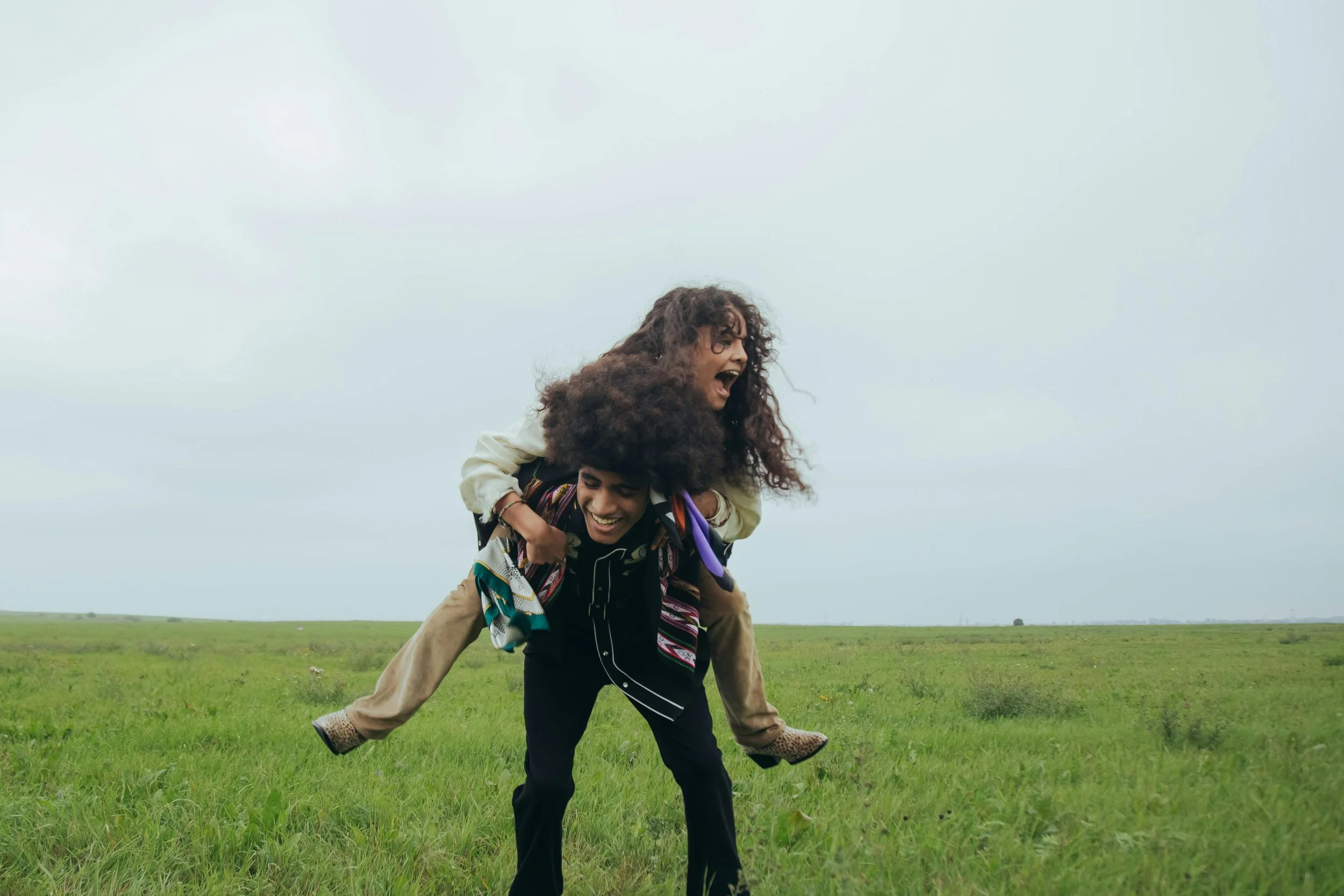
What if they're not behind you—they're just not on your path? The model for partnership you weren't taught.
Partnership works when two people walk the same path together while developing qualities that complement each other. This doesn't mean growing at the same pace toward the same consciousness—it means building a shared life while each person develops what the other needs. When one partner is learning softness while the other learns strength, when one goes inward while the other expands outward, they're creating wholeness together that neither could build alone.
the exhaustion of measuring
You're tired of waiting for your partner to catch up.
They're accessing emotions you worked through years ago. Discovering boundaries you already hold. Learning things you learned a decade back. And you're exhausted—not from their growth, but from measuring it against yours.
You've recommended the books. Shared the frameworks. Modeled the work. They are growing. But you're tired of feeling like the more conscious one. The one who's further along. The one doing more.
What if you're measuring the wrong thing entirely?
the model that broke things
You were taught partnership means being on the same path at the same pace. Same values, same consciousness level, same growth trajectory. Find someone who matches your energy. Don't settle for less aware.
So you measure. Are they at your level? Behind you means they're not doing enough. Ahead means you're not enough. Only identical counts as right.
This makes partnership exhausting. Someone's always behind. Someone's always not enough. You're constantly evaluating instead of actually being together.
The model itself is the problem.

sun and moon
Sun and moon are both perfect. Neither is behind.
They don't follow the same arc. One rises as the other sets. One illuminates day, one illuminates night. Together they create the full rhythm of time.
Partnership works the same way. Two people walking together, building a shared life, while developing qualities that complement each other.
When they're learning to soften and you're learning to hold boundaries—you're walking together. Their softening supports your edge. Your edge creates safety for their softening.
When you're both diving into vulnerability at the same time—you're feeding each other's depth.
Opposite development. Aligned development. Both are complementary. Both create something neither person could build alone.
what this actually looks like
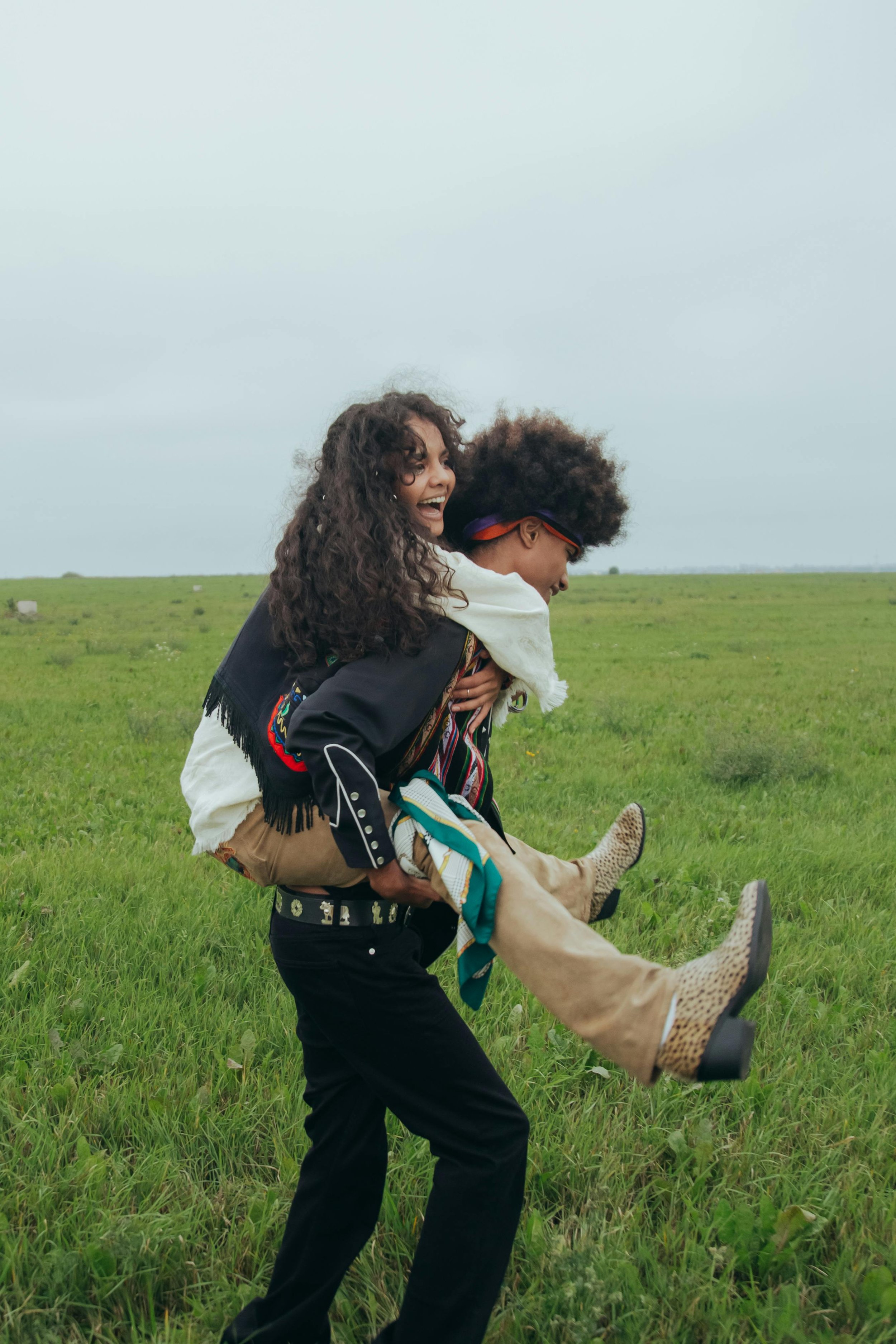
They're accessing emotional depth while you're stepping into direct communication. You're learning to receive while they're learning to give. They're developing softness while you're developing edge.
Or: you're both going inward at the same time, feeding each other's descent. You're both building creative capacity, inspiring each other's work. You're both learning presence, practicing together.
The question isn't whether you're developing the same thing. It's whether you're devoted to each other's specific growth. Whether what you're each becoming strengthens what you're building together.
Complementary development feels like mutual support even when you're growing into different qualities. Incompatible development feels like friction no matter what either of you becomes. One builds the shared life. The other erodes it.
this is true across configurations
Two women: one learning to soften her edges while the other learns to hold hers. Or both diving into embodiment together.
Two men: one accessing emotion while the other develops clarity. Or both building capacity for vulnerability at the same time.
In expansive partnerships—poly, monogamish, any configuration beyond two—complementary development becomes even more visible. You're not all becoming the same thing. You're wind and fire and water. Multiple people, each with their own growth, creating something no single person could.
The complementary qualities aren't about gender or orientation. They're about the specific humans you are and what you're each growing into.
the question to ask
Stop measuring whether your partner is at your level. Stop waiting for them to catch up.
Ask instead: Are we walking together? Are we devoted to each other's growth? Does what they're developing complement what I'm developing?
Your partner isn't behind you. They're beside you—developing qualities that complete what you're building, not duplicating it.
Sun doesn't wait for moon to become sun.
If you're walking together, if you're devoted to each other's specific growth, you're not waiting for anything. You're already building wholeness.
Remember This: Complementary partnership means walking the same path together while developing qualities that complete each other—not duplicating each other's growth. Opposite development (one softening while one strengthens) and aligned development (both deepening together) are both complementary. The question isn't whether you're at the same level. It's whether you're beside each other, building the shared life, devoted to each other's becoming.
Read our Journal.
The collection explores, the journal transforms. Get sanctuary in your inbox. Every other Sunday.
